
 EN
EN



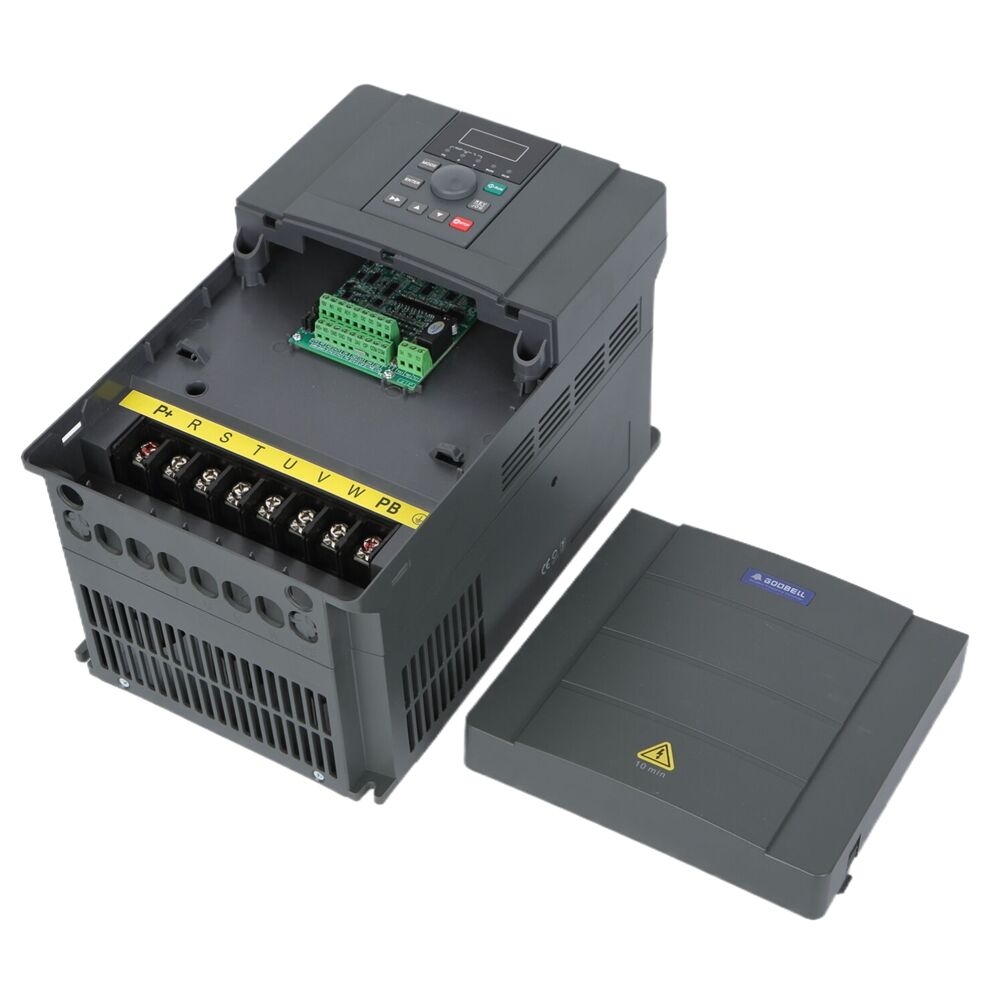
Costi nascosti derivanti dall’utilizzo delle impostazioni predefinite del variatore di frequenza (VFD)
Molti responsabili di impianto e team di manutenzione installano semplicemente un inverter (VFD, Variable Frequency Drive), utilizzano i parametri predefiniti di fabbrica e assumono che il sistema funzionerà in modo efficiente. Sulla base di quasi 20 anni di supporto a progetti di automazione industriale in oltre 60 paesi, ho osservato che questa scorciatoia porta a sprechi eccessivi di energia, surriscaldamento dei motori, arresti improvvisi e riduzione della durata utile. Studi del settore confermano che i sistemi motori elettrici rappresentano oltre il 65% del consumo energetico industriale e che parametri non ottimizzati dell’inverter (VFD, Variable Frequency Drive) possono aumentare il consumo energetico dal 20% al 40% rispetto a configurazioni correttamente tarate. I parametri predefiniti sono progettati per garantire una compatibilità generica, non per il tipo specifico di motore, il profilo di carico o l’ambiente operativo reale. Come sottolineano i principali esperti di automazione, un inverter (VFD, Variable Frequency Drive) è efficace quanto le sue impostazioni di parametro. Senza personalizzazione si spreca energia, si riduce la stabilità produttiva e si corre il rischio di fermi non programmati che interrompono l’intero ciclo operativo. La nostra esperienza presso Goldbell dimostra che un’ottimizzazione mirata dei parametri consente costantemente di ottenere maggiore efficienza, un controllo più fluido e una maggiore affidabilità per ventilatori, pompe, nastri trasportatori, miscelatori e macchinari produttivi.
Come l'ottimizzazione dei parametri del variatore di frequenza (VFD) migliora l'efficienza energetica
Lo scopo principale dell'ottimizzazione di un azionamento a frequenza variabile (VFD) è adattare con precisione la velocità e la coppia del motore alle effettive esigenze di carico in tempo reale, eliminando così i consumi energetici superflui. Le impostazioni predefinite utilizzano spesso un controllo V/F fisso o valori generici di accelerazione/decelerazione che non rispecchiano la domanda effettiva. Affinando parametri chiave — tra cui la frequenza di uscita, il limite di coppia, il tempo di accelerazione/decelerazione, la frequenza di portante e la correzione del fattore di potenza — si allinea l'azionamento a frequenza variabile (VFD) alle caratteristiche del motore e alla dinamica del carico. Secondo ricerche condotte da autorità industriali nel settore energetico, sistemi VFD ottimizzati riducono il consumo di potenza del motore del 15–30% in applicazioni tipiche quali pompe, ventilatori e compressori. Gli azionamenti delle serie G500 e G580MPV di Goldbell supportano un controllo vettoriale ad alta precisione e modalità automatiche di risparmio energetico, che migliorano ulteriormente l’efficienza durante il funzionamento a carico parziale. I nostri progetti sul campo nei settori della produzione industriale, dell’irrigazione e dei sistemi di controllo della temperatura dimostrano che i parametri ottimizzati riducono i costi elettrici, diminuiscono la generazione di calore e alleviano lo stress sia sull’azionamento a frequenza variabile (VFD) sia sul motore. Questo non è semplicemente un processo di taratura: è una gestione energetica sostenibile integrata nell’operatività quotidiana.
Esperienza pratica: storie di successo nella taratura degli azionamenti a frequenza variabile (VFD) di Goldbell
Abbiamo applicato l'ottimizzazione dei parametri degli azionamenti a frequenza variabile (VFD) in centinaia di installazioni in tutto il mondo, ottenendo miglioramenti misurabili in termini di stabilità e prestazioni. In una fabbrica tessile dell'America Centrale, le linee di produzione soffrivano di velocità irregolare, interruzioni frequenti e alto consumo energetico con le impostazioni predefinite. I nostri ingegneri hanno eseguito l'identificazione del motore in loco, configurato il controllo vettoriale in catena chiusa, regolato le curve di accelerazione e decelerazione e impostato la protezione da sovracorrente e sovraccarico. Entro poche ore, l'azionamento a frequenza variabile (VFD) ha funzionato regolarmente, il rumore si è ridotto e il consumo energetico è diminuito di oltre il 25%. In un ampio progetto africano di irrigazione solare, abbiamo ottimizzato i parametri di tracciamento MPPT, la modalità di avviamento e la protezione da bassa tensione dell'inverter per pompe solari G580MPV, adeguandoli all'intensità solare variabile e alla domanda idrica. Il sistema ha mantenuto una portata stabile nonostante le variazioni delle condizioni di illuminazione, ha migliorato la resa idrica e ha raggiunto un costo nullo di energia elettrica prelevata dalla rete. Questi progetti confermano che una corretta taratura dei parametri trasforma un normale azionamento a frequenza variabile (VFD) in un sistema di controllo di precisione, personalizzato per le condizioni reali di impiego.
Principi tecnici alla base della taratura affidabile degli azionamenti a frequenza variabile (VFD)
L'ottimizzazione efficace dei parametri del variatore di frequenza (VFD) segue solidi principi ingegneristici supportati da norme e certificazioni internazionali. I parametri chiave includono la scelta della modalità di controllo, i dati nominali del motore, le velocità di accelerazione e decelerazione, il potenziamento della coppia, la frequenza di portante e le soglie di protezione. I variatori Goldbell sono certificati CE, TÜV e ISO 9001, e le nostre procedure di taratura sono allineate alle linee guida globali per l’automazione industriale. I nostri modelli di variatore di frequenza (VFD) supportano l’autotaratura automatica del motore, che rileva la resistenza dello statore, l’induttanza del rotore e altri valori critici per creare un modello motore integrato, garantendo prestazioni estremamente stabili. Inoltre, regoliamo la frequenza di portante per ridurre le interferenze elettromagnetiche e il rumore del motore, impostiamo limiti di coppia adeguati per prevenire colpi meccanici e configuriamo le protezioni da guasto per evitare danni causati da sovraccarico, sovratensione o perdita di fase. Come osservano gli esperti del settore, una corretta parametrizzazione garantisce che il variatore di frequenza (VFD) operi entro i limiti termici ed elettrici di sicurezza, assicurando al contempo massima efficienza. Questo equilibrio protegge le apparecchiature e garantisce la continuità produttiva.
Valore a lungo termine delle prestazioni ottimizzate del variatore di frequenza (VFD)
Investire tempo nell'ottimizzazione dei parametri degli azionamenti a frequenza variabile (VFD) genera un valore duraturo che va ben oltre la semplice riduzione delle bollette elettriche. Le impostazioni ottimizzate riducono lo stress meccanico su cinghie, ingranaggi, cuscinetti e alberi, prolungando la vita dell’equipaggiamento azionato e riducendo i costi di manutenzione. Una velocità e una coppia stabili migliorano la coerenza del prodotto, riducono i difetti e aumentano la produzione complessiva. Grazie all’assistenza tecnica Goldbell disponibile 24 ore su 24, alla flessibilità offerta ai produttori di apparecchiature originali (OEM) e alla rete globale di distribuzione, i clienti acquisiscono un partner impegnato nel loro successo a lungo termine, non semplicemente un fornitore di prodotti. Le nostre soluzioni VFD coprono una potenza da 0,4 kW a 800 kW e sono impiegate nei settori manifatturiero, agricolo, oil & gas, edile e marittimo in più di 60 paesi. Che si tratti di azionamenti industriali standard o di inverters specializzati per pompe solari, l’ottimizzazione dei parametri garantisce che ogni azionamento a frequenza variabile (VFD) operi al meglio per tutta la sua vita utile. Nell’attuale contesto competitivo e sensibile alle tematiche energetiche, il funzionamento ottimizzato degli azionamenti a frequenza variabile (VFD) non è più opzionale: è essenziale per garantire prestazioni industriali sostenibili, economicamente vantaggiose e affidabili.
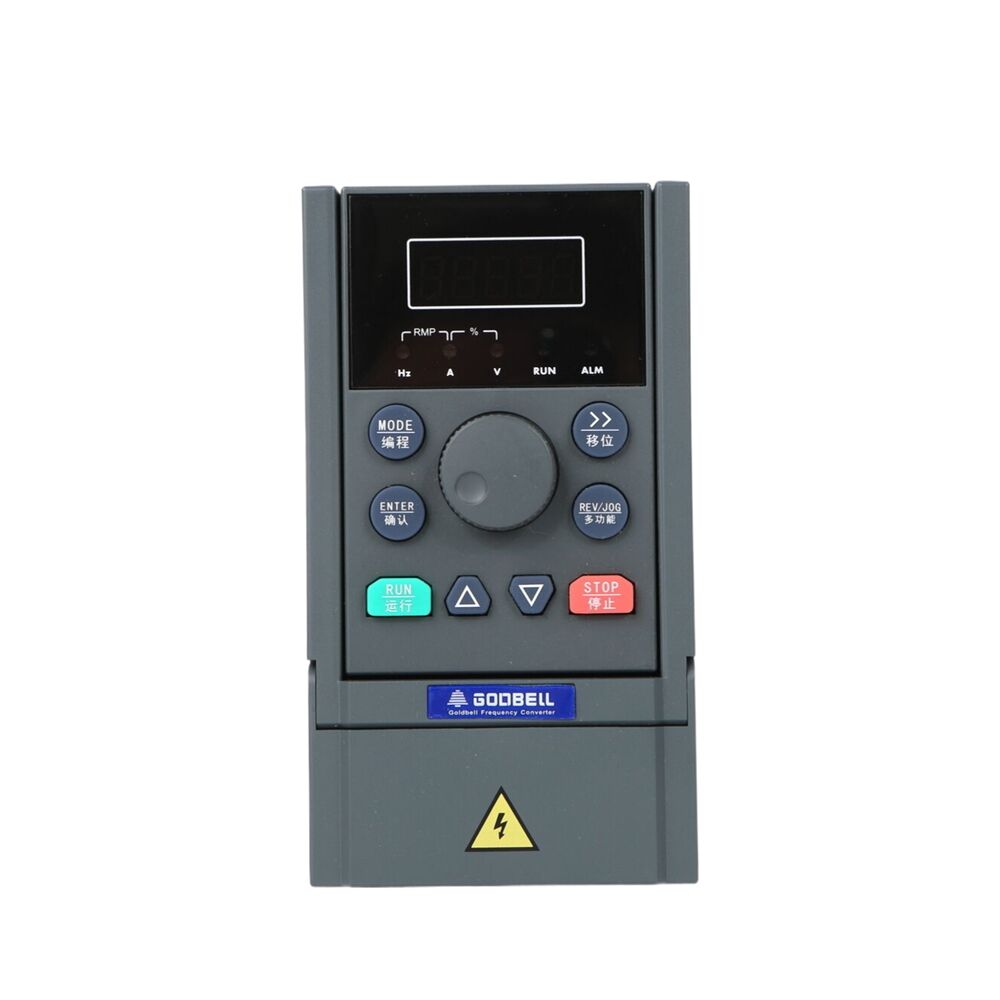
Sommario
- Costi nascosti derivanti dall’utilizzo delle impostazioni predefinite del variatore di frequenza (VFD)
- Come l'ottimizzazione dei parametri del variatore di frequenza (VFD) migliora l'efficienza energetica
- Esperienza pratica: storie di successo nella taratura degli azionamenti a frequenza variabile (VFD) di Goldbell
- Principi tecnici alla base della taratura affidabile degli azionamenti a frequenza variabile (VFD)
- Valore a lungo termine delle prestazioni ottimizzate del variatore di frequenza (VFD)