
 EN
EN



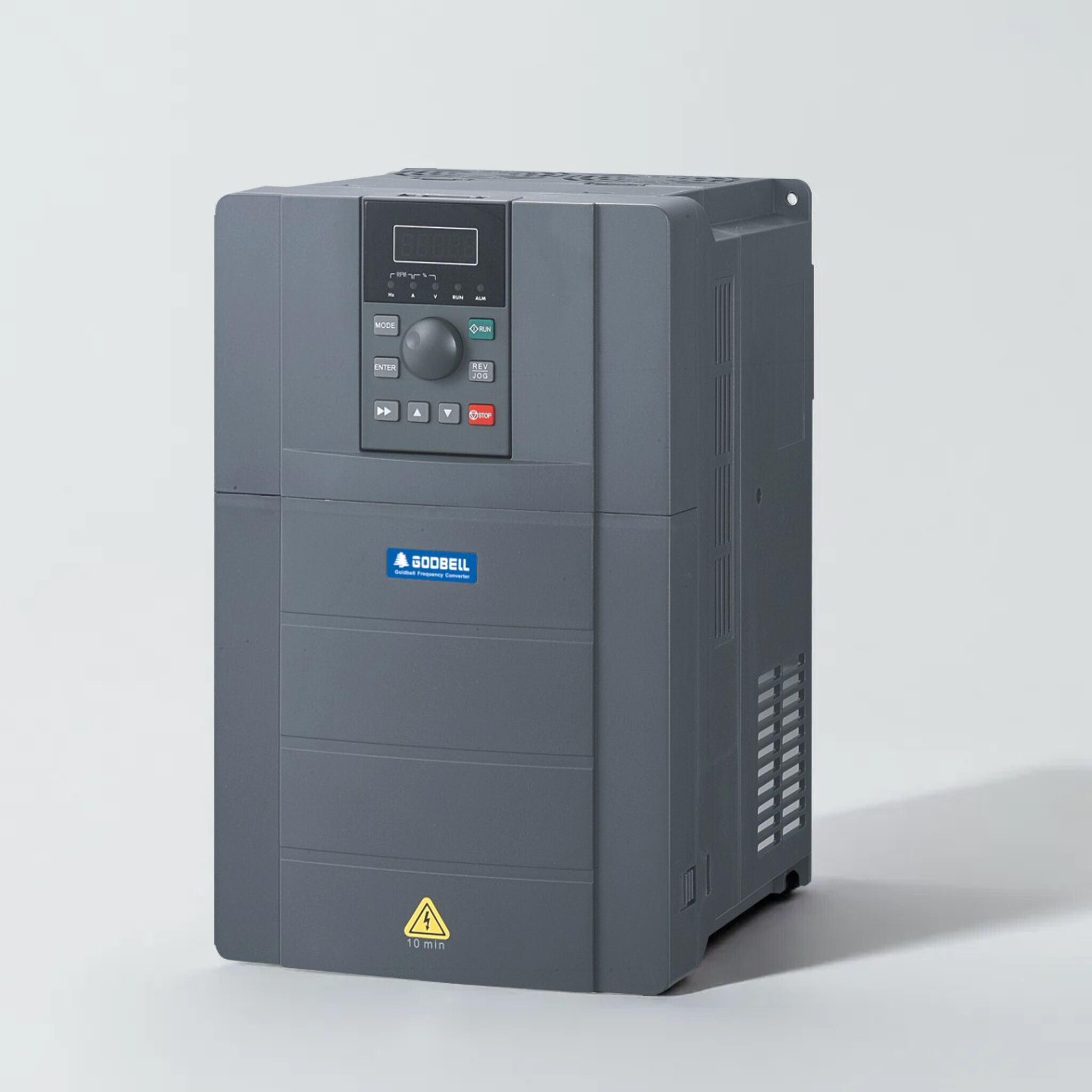
How a Single Phase to 3 Phase Converter Works
Core Conversion Methods: Rotary, Static, and Digital Converters
A single phase to 3 phase converter enables industrial equipment operation where three-phase power is unavailable. Rotary converters use an idler motor to generate the third phase mechanically—delivering high starting torque ideal for heavy machinery with high inertia. Static converters employ capacitors to phase-shift voltage waveforms without moving parts, offering compact, low-maintenance solutions for light-duty applications under 5HP. Digital converters leverage solid-state electronics and microprocessors to synthesize precise, adaptive three-phase output—providing tight voltage regulation and harmonic control essential for sensitive CNC, medical, or automation systems. Each method balances cost, efficiency, and complexity: rotary for robustness, static for simplicity, and digital for precision.
Key Output Characteristics: Voltage Balance, Frequency Stability, and THD
Three critical metrics define converter performance—and directly impact equipment reliability and energy use. Voltage balance ensures each phase remains within ±2% of nominal (e.g., 460V ±9.2V); deviations exceeding 5% cause uneven winding stress and accelerate motor burnout. Frequency stability maintains output within ±0.5Hz of 50/60Hz—critical for timing-sensitive automation and PLC-driven processes. Total Harmonic Distortion (THD) measures waveform purity: industrial motors tolerate up to 10% THD, but precision equipment requires <5% to avoid efficiency losses, overheating, and electromagnetic interference. High-performance converters achieve these benchmarks through active voltage correction and integrated harmonic filtering—not just passive design.
Sizing Your Single Phase to 3 Phase Converter Accurately
Calculating Real Load Demand: HP, kVA, Inrush Current, and Duty Cycle
Proper sizing begins by calculating actual load demand—not nameplate values. Convert all equipment specs to kVA, the standard unit for phase converter capacity. For three-phase motors:
$$kVA = \frac{\sqrt{3} \times Voltage \times Full Load Amps}{1000}$$
Then account for real-world dynamics: inrush current (4–8× running current at startup) and duty cycle (operating time per hour). A 10HP motor operating at 60% duty with 6× inrush, for example, demands ~20% more capacity than its nameplate suggests.
| Load Factor | Impact on Sizing | Calculation Adjustment |
|---|---|---|
| Inrush Current | High | Apply peak multiplier (e.g., ×6) to kVA base |
| Duty Cycle < 60% | Moderate | Add 15–20% capacity margin |
| Duty Cycle > 80% | Critical | Add 25–30% capacity margin |
Why Nameplate Ratings Mislead—And How to Apply Safety Margins
Nameplate ratings reflect ideal, lab-controlled conditions—not voltage sags, aging components, or ambient temperature swings. As documented in Electrical Safety Quarterly (2023), 37% of industrial equipment failures linked to phase converters stem from chronic undersizing. Apply these evidence-based safety margins:
- +25% for single-motor loads
- +35% for multi-motor systems (to accommodate staggered starts and cumulative harmonics)
-
+20% for future expansion
These buffers prevent voltage collapse during motor start-up, reduce thermal cycling stress, and extend converter service life by up to 40%, per NEMA MG-1 lifecycle analysis.
Proper Installation of a Single Phase to 3 Phase Converter
Wiring Best Practices, Grounding Requirements, and Neutral Handling
Wiring must comply with NEC ampacity tables and thermal limits. Use 90°C-rated copper conductors with THHN/THWN insulation for optimal heat dissipation and longevity. Grounding follows strict NEC Article 250 requirements:
- Bond the converter chassis to building ground using minimum #6 AWG copper
- Run a dedicated equipment grounding conductor (EGC) alongside all phase conductors
- Verify ground-fault path impedance is <0.25 ohms using calibrated test equipment (per IEEE Std 142)
Neutral handling depends on converter type and local system configuration. For static and digital units, terminate the incoming neutral per manufacturer instructions—never omit it. Rotary converters may isolate neutral; confirm isolation with a multimeter before energizing. Always insulate unused neutrals with rated wire nuts to eliminate floating potentials and stray voltage hazards.
Compatibility Check: Matching Converter Output to Your 400Y/230V or 208Y/120V Equipment
Voltage compatibility is non-negotiable. Cross-reference equipment nameplates with converter output specifications:
| Equipment Standard | Phase Voltage | Line Voltage | Converter Output Required |
|---|---|---|---|
| European (400Y/230V) | 230V | 400V | Wye-connected 400V L-L |
| North American (208Y/120V) | 120V | 208V | Wye-connected 208V L-L |
Measure voltage imbalance at both idle and full-load conditions. Per NEMA MG-1, acceptable variation is <2% between phases. For 460V equipment, use an appropriately rated step-up transformer—never modify internal windings without factory authorization, as doing so voids UL listing and risks catastrophic failure.
Optimizing Performance and Reliability After Deployment
Proper installation is only the foundation. Sustained performance requires disciplined operational oversight:
- Monitor Electrical Outputs Weekly: Track voltage balance (±3% tolerance), frequency stability (50/60Hz ±0.5Hz), and THD. Maintain THD <5% to protect motor insulation and avoid efficiency degradation—especially under variable-speed drive loads.
- Conduct Thermal Audits Quarterly: Use infrared thermography to identify hot spots in IGBTs, capacitors, and bus bars. Studies show sustained operation above 85°C accelerates insulation breakdown, cutting component lifespan by up to 50% (IEEE Transactions on Industry Applications, 2022).
- Validate Load Dynamics Monthly: Test under real operating conditions—including motor start-ups (300–600% inrush), cyclic loads (e.g., compressors), and mixed-motor scenarios—to verify dynamic response and thermal margin.
- Update Control Algorithms Proactively: For digital converters, install firmware updates that refine waveform synthesis and improve fault-clearing logic. Document all changes in your maintenance log—traceability supports root-cause analysis during audits or incident reviews.
Aggregate field data and user feedback to detect subtle drift in voltage regulation or harmonic profile—early indicators of aging components or calibration drift. Proactive optimization reduces unplanned downtime by 40% versus reactive repair models (EPRI Grid Reliability Report, 2023) and extends service life when paired with NIST-traceable calibration of measurement tools.
FAQs
What is the main function of a single phase to 3 phase converter?
Its primary function is to enable industrial equipment designed for three-phase power to operate in areas where three-phase power isn't available.
Which type of converter is most suitable for heavy-duty industrial equipment?
Rotary converters are best suited for heavy-duty machinery due to their ability to deliver high starting torque.
Can I use nameplate ratings to determine converter sizing?
No, nameplate ratings often reflect ideal conditions. Real-world calculations based on kVA, inrush current, and duty cycle are essential for accurate sizing.
Why is voltage balance important in a phase converter?
Voltage imbalance can lead to uneven winding stress in motors, accelerating wear and reducing reliability.
What precautions should I take during installation?
Ensure proper wiring, grounding, and compliance with NEC standards, as well as check for voltage imbalances and compatibility with local equipment standards.
Table of Contents
- How a Single Phase to 3 Phase Converter Works
- Sizing Your Single Phase to 3 Phase Converter Accurately
- Proper Installation of a Single Phase to 3 Phase Converter
- Optimizing Performance and Reliability After Deployment
-
FAQs
- What is the main function of a single phase to 3 phase converter?
- Which type of converter is most suitable for heavy-duty industrial equipment?
- Can I use nameplate ratings to determine converter sizing?
- Why is voltage balance important in a phase converter?
- What precautions should I take during installation?