
 EN
EN



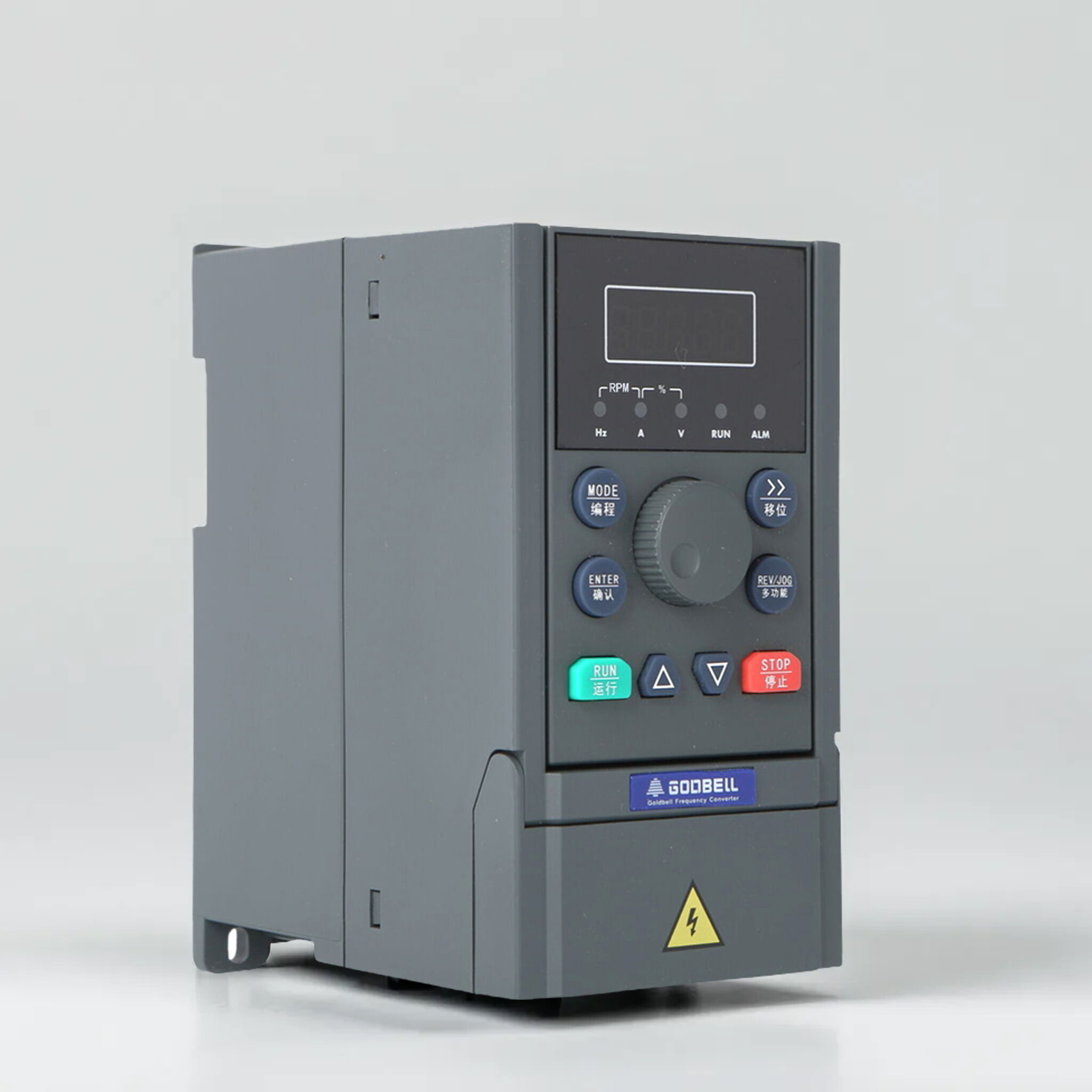
Why Voltage Fluctuations Threaten Single Phase to 3 Phase Converter Performance
Common Manifestations: Unbalanced output voltage, overheating, and motor torque instability
Voltage fluctuations destabilize single-phase-to-three-phase converters, triggering cascading operational failures. Unbalanced output—defined as phase voltage deviations exceeding ±2%—starves motors of consistent power, forcing current redistribution that overheats windings and degrades insulation. Research indicates even minor input swings can elevate component temperatures by 18–30°C, accelerating thermal aging. Concurrently, torque instability emerges as erratic rotational force, inducing mechanical vibration and resonance. When voltage variation exceeds 3%, motor service life often drops by 50%, per NEMA MG-1 and IEEE 115 test protocols.
Root Causes: Single-phase source instability, nonlinear loads, and inadequate converter sizing
Three interrelated factors undermine converter resilience. First, single-phase source instability—driven by aging distribution transformers or grid transients—introduces unpredictable input voltage swings. Second, nonlinear loads (e.g., VFDs, rectifiers) inject harmonic distortion, with frequencies above 40th order compromising waveform integrity. Third, undersized converters—operating consistently above 85% of rated capacity—lack sufficient magnetic core margin and semiconductor headroom to absorb input disturbances, propagating instability into the three-phase output. Corrective action requires precise power matching and integrated harmonic filtration, not just peak-kVA oversizing.
Core Protection Methods for Single Phase to 3 Phase Converters
Voltage Regulation: Automatic tap-changing transformers and PWM-based electronic regulation
Robust voltage regulation is the first line of defense against input fluctuation. Automatic tap-changing transformers maintain output stability within ±2% by dynamically adjusting winding ratios—effectively mitigating torque instability from supply-side variance. For tighter control, PWM-based electronic regulators use IGBTs and high-frequency switching to achieve ±0.5% accuracy while incorporating overvoltage protection that responds in under 10 ms to spikes exceeding 110% of rated input. To maximize effectiveness, pair either regulator type with EMI filters designed to meet IEEE 519 harmonic limits—ensuring clean, stable three-phase output across variable load conditions.
Dynamic Balancing: Real-time phase correction using microcontroller-driven inverters
Microcontroller-driven inverters deliver active, real-time phase correction—critical for sustaining motor reliability. Sampling phase voltages and currents at ≥10 kHz, these systems apply adaptive algorithms to maintain 120° phase separation within ±1° and voltage imbalance below 1%, satisfying NEMA MG-1’s strictest tolerance. Integrated fault detection identifies phase loss within 50 ms, initiating safe shutdown before damage occurs. Field data shows this level of dynamic balancing extends motor service life by 40% versus passive systems and reduces total harmonic distortion (THD) to under 5%.
Design & Installation Best Practices to Ensure Long-Term Voltage Stability
Proper Sizing and Load Matching per NEMA MG-1 and IEEE 519 Guidelines
Accurate sizing is foundational—not optional. Undersized converters overheat during motor inrush (often 6–8× full-load current), while oversized units exacerbate harmonic generation and reduce efficiency. Design must account for both steady-state demand and transient peaks, referencing NEMA MG-1 motor performance curves and IEEE 519 harmonic current limits. Industrial benchmarks confirm a 37% reduction in unplanned downtime when converters are sized to match motor inrush profiles, duty cycles, and anticipated load growth—with a prudent 15–20% safety margin built in.
Grounding, Filtering, and Harmonic Mitigation for Clean Three-Phase Output
Grounding and filtering are mission-critical for electromagnetic compatibility and long-term reliability. Implement:
- Multi-stage EMI filtering, targeting both differential- and common-mode noise from switching devices
- Isolated neutral grounding compliant with IEC 60364, suppressing common-mode interference by up to 40 dB
- Zero-sequence reactors, specifically tuned to cancel triplen harmonics (3rd, 9th, 15th) that cause transformer overheating and neutral conductor overload
- Shielded cabling with continuous, low-impedance grounding paths to contain radiated EMI
Facilities applying this integrated approach report a 68% decline in motor winding failures, according to IEEE Power Quality survey data.
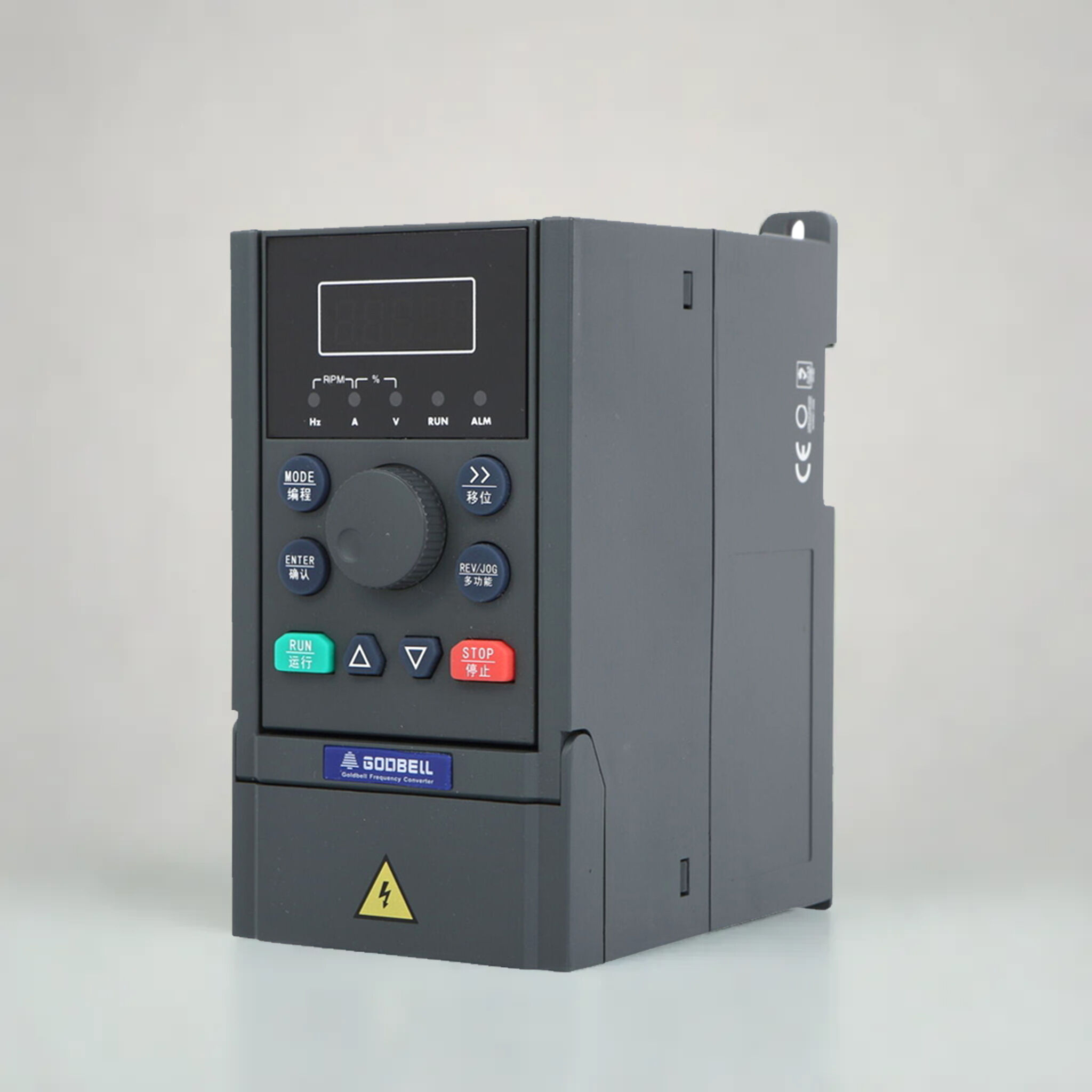
FAQ
What are the common signs of voltage fluctuations in converters?
Common signs include unbalanced output voltage, overheating, and motor torque instability.
What causes instability in single-phase to three-phase converters?
Instability is caused by single-phase source instability, nonlinear loads, and inadequate converter sizing.
How can voltage regulation protect converters?
Voltage regulation using automatic tap-changing transformers and PWM-based electronic regulation can mitigate input fluctuations and maintain output stability.
Why is proper sizing of converters important?
Proper sizing prevents overheating during motor inrush, reduces harmonic generation, and enhances efficiency.