
 EN
EN



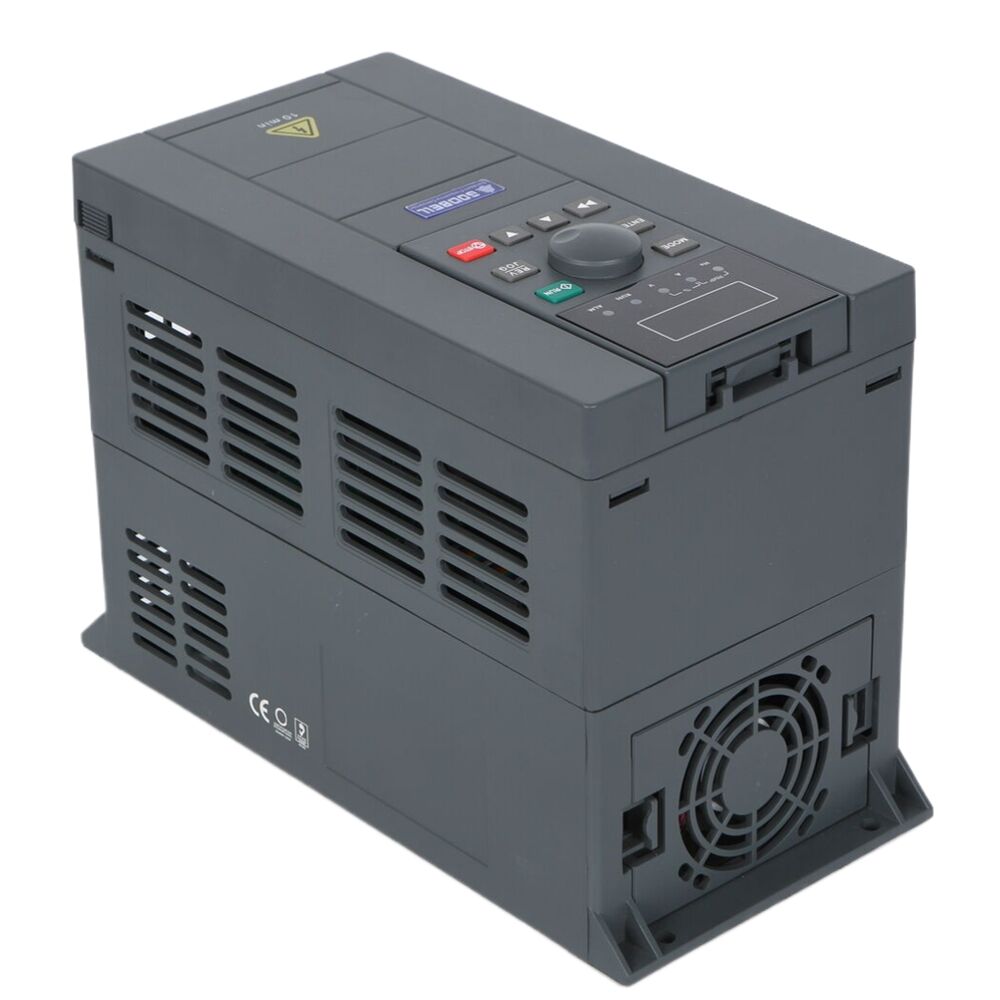
لماذا تُعَدُّ ملاءمة محرك التحكم المتغير بالتردد لحمل المحرك أمراً بالغ الأهمية
يقوم العديد من المستخدمين ببساطةٍ بتشغيل محرك ترددي متغير (VFD) باستخدام الإعدادات الافتراضية للمصنع ويتوقعون أداءً موثوقًا، لكن هذا غالبًا ما يؤدي إلى انقطاع التيار بسبب الحمل الزائد، وارتفاع درجة الحرارة، وزيادة استهلاك الطاقة، وفشل المحرك قبل الأوان. وبفضل دعمي لما يقارب عشرين عامًا للمشاريع الصناعية والزراعية في أكثر من ٦٠ دولة، رأيتُ شخصيًّا أن ضبط المحرك الترددي المتغير وفقًا للحمل المُطبَّق هو الطريقة الأكثر فعاليةً لتحقيق الاستقرار في التشغيل وتمديد عمر المعدات. وتُظهر أبحاث القطاع أن أكثر من ٧٠٪ من أعطال المحركات ومحركات التردد المتغير ناتجة عن معايير غير متناسقة مع الحمل، وليس عن عيوب في المكونات. ويؤكد خبراء الهندسة الكهربائية أن المحرك الترددي المتغير المُضبَط بدقة يمكنه خفض استهلاك الطاقة بنسبة تتراوح بين ١٥٪ و٣٠٪، مع تحسين الاستقرار والمتانة. ولكل محرك ملف حملٍ فريد: فالمنافيخ والمضخات وأحزمة النقل والمجانف وأدوات الآلات تحتاج كلٌّ منها إلى قيم مختلفة من العزم وسرعة التسارع وحدود التيار. وقد صُمِّمت منتجاتنا من المحركات الترددية المتغيرة لدعم ضبطٍ دقيقٍ ومُكيَّفٍ مع طبيعة الحمل، مما يساعد المستخدمين على تجنُّب الهدر والضرر، واستثمار الإمكانات الكاملة للنظام.
فهم أنواع حمل المحرك ومنطق التحكم في محركات التردد المتغير (VFD)
لضبط محرك كهربائي قابل للتحكم في التردد (VFD) بشكل صحيح، يجب أولاً التعرف على ثلاثة أنواع شائعة من الأحمال وكيفية تفاعلها مع إعدادات المحرك. فالأحمال ذات العزم الثابت، مثل الناقلات والخلاطات والمكابس الطاردة، تتطلب عزمًا ثابتًا عبر نطاقات السرعة، وتستفيد من حدود تيار مستقرة وتسارع معتدل. أما الأحمال ذات العزم المتغير، ومنها المراوح والمضخات، فإن متطلبات عزمها تزداد مع ازدياد السرعة؛ وهذه الأحمال تعمل بأفضل كفاءة باستخدام منحنيات جهد/تردد (V/F) تربيعية ووضعيات توفير الطاقة. والأحمال الصدمية، مثل الكسارات وآلات الختم، تنطوي على قفزات مفاجئة في العزم وتحتاج إلى قدرة عالية على التحميل الزائد واستجابة سريعة وحماية قوية. وتدعم طرازات محركات VFD لدينا عدة أساليب تحكم، منها التحكم بجهد/تردد (V/F) والتحكم المتجهي. ويُوفِّر التحكم المتجهي دقةً واستجابةً متفوِّقتين، ما يجعله الخيار الأمثل للأحمال الثقيلة أو المتقلبة. وبتحديد نوع حملك واختيار منطق التحكم المناسب، تُنشئ أساسًا متينًا للتشغيل الآمن والفعال.
خبرة عملية في ضبط محركات التردد المتغير للأحمال الواقعية
لقد ساعدنا مئات العملاء في ضبط إعدادات محولات التردد المتغير (VFD) بدقة لتتناسب مع أحمال المحركات في العالم الحقيقي. ففي مصنع تصنيع متوسط الحجم، عانت خطوط الإنتاج من توقفات متكررة وانعدام استقرار في السرعة بسبب إعدادات محولات التردد المتغير الافتراضية. وقام مهندسونا بتحليل نوع الحمل، وتسجيل التيار والعزوم أثناء التشغيل، ثم قاموا بتحسين أزمنة التسارع والتباطؤ، وضبط تعزيز العزم، وتحديد حدود التيار المناسبة. كما نفّذنا عملية معايرة ذاتية للمحرك لتمكين محول التردد المتغير من تعلُّم مقاومة المحرك وقيم المحاثة الخاصة به. وبعد إنجاز عملية الضبط، أصبح النظام يعمل بسلاسة، وانخفضت مستويات الضوضاء والحرارة، وانخفض استهلاك الطاقة بنسبة تجاوزت 25%. وفي مشروع آخر للري الشمسي، قمنا بتحسين إعدادات محول التردد المتغير ليتكيف مع تغير شدة أشعة الشمس ومتطلبات الري، وذلك عبر ضبط معايير تتبع نقطة القدرة القصوى (MPPT)، وتشغيل النظام عند جهد منخفض، وتفعيل حماية التشغيل الجاف. وبذلك حافظ النظام على تدفقٍ ثابتٍ وعمل بشكلٍ موثوقٍ لأكثر من ثلاث سنوات. وتُثبت هذه الحالات أن ضبط محولات التردد المتغير بما يتناسب مع طبيعة الحمل يحوّل وحدة VFD قياسية إلى حلٍّ مخصَّصٍ عالي الأداء.
خطوات ضبط محول التردد (VFD) الرئيسية لأنواع مختلفة من أحمال المحركات
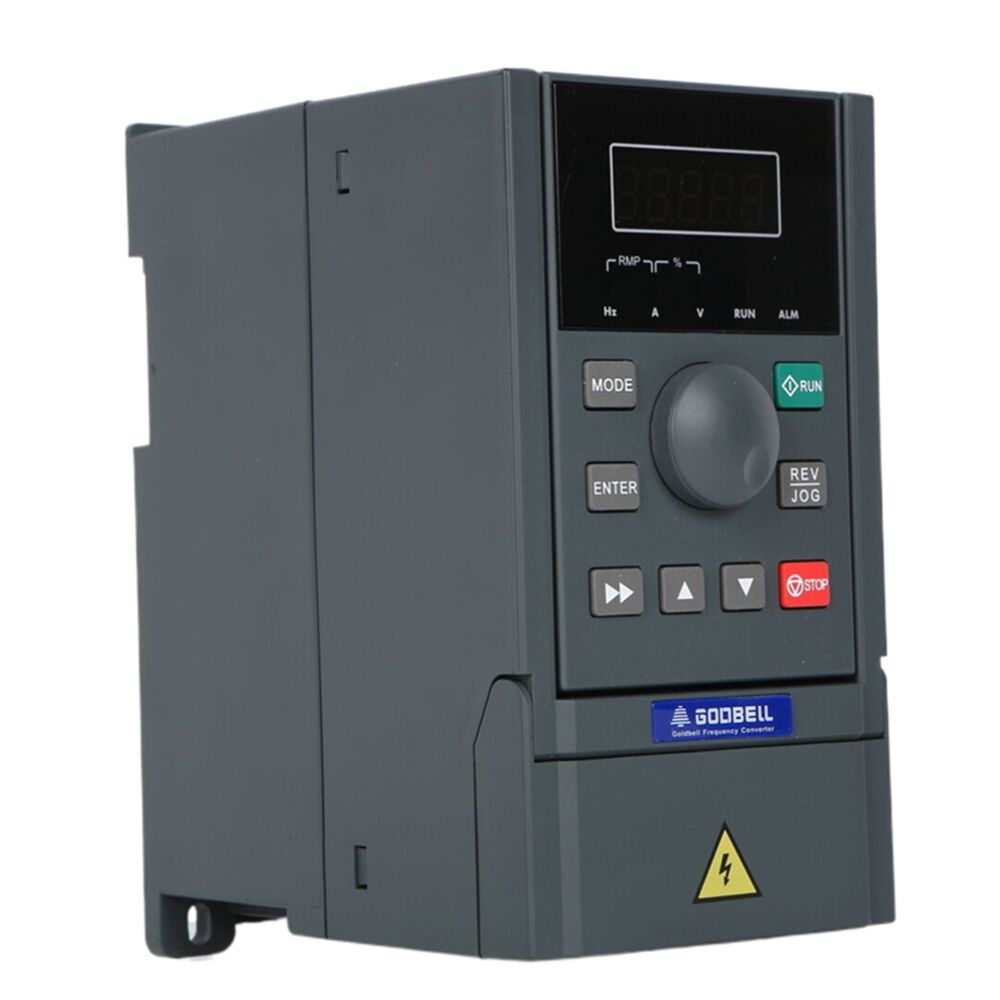
يتم ضبط محول التردد (VFD) عمليًّا وفق عملية واضحة وقابلة للتكرار لتتناسب مع أي حمل محرك. ابدأ بإدخال البيانات الأساسية للمحرك: الجهد المُصنَّف، والتيار، والقدرة، والتردد، والسرعة. بعد ذلك، شغِّل عملية المعايرة الذاتية التلقائية للمحرك بحيث يبني محول التردد نموذجًا داخليًّا دقيقًا للمحرك. اختر وضع التحكم: تحكم الجهد/التردد (V/F) للمراوح والمضخات النموذجية، أو التحكم المتجهي (Vector Control) للتطبيقات التي تتطلب دقة عالية أو للأحمال الثقيلة. عيِّن أزمنة التسارع والتباطؤ بناءً على قصور الحمل الذاتي — فكلما زاد القصور الذاتي وازدادت كثافة الحمل، زادت هذه الأزمنة لتفادي الصدمات. عدِّل معامل تعزيز العزم لضمان توفر عزم دوران كافٍ عند التشغيل دون مبالغة في التعويض. عيِّن حدود التيار والعزم لحماية النظام من الحمولات الزائدة والصدمات. وأخيرًا، قم بتكوين حمايات التيار الزائد، والجهد الزائد، وانخفاض الجهد، وارتفاع درجة الحرارة. وتتميز منتجاتنا من محولات التردد (VFD) بقوائم سهلة الاستخدام ومؤشرات واضحة لتبسيط هذه الخطوات. وجميع الوحدات معتمدة وفق معايير CE وTUV وISO 9001، مما يضمن أداءً آمنًا ومتسقًا بعد الإعداد.
الفوائد طويلة المدى لتشغيل محركات التردد المتغير المُطابَق للحمل
إن ضبط محرك التردد المتغير (VFD) بشكلٍ صحيح ليتوافق مع متطلبات حمل المحرك يوفِّر قيمةً مستدامةً: فواتير طاقة أقل، وعدد أقل من الأعطال، وعمر أطول للمعدات، وإنتاج أكثر سلاسة. كما أن استقرار العزم والسرعة يحسّن جودة المنتج ويقلل الهدر، بينما تقلل الحماية الموثوقة من توقف التشغيل غير المخطط له. وبفضل دعمنا الفني على مدار 24 ساعة يوميًّا و7 أيام أسبوعيًّا، وأسعارنا المباشرة من المصنع، وتوصيلنا العالمي، يكتسب المستخدمون شريكًا موثوقًا به في عمليات التركيب والصيانة. ويشمل نطاق محركات التردد المتغير (VFD) لدينا القدرة من ٠٫٤ كيلوواط إلى ٨٠٠ كيلوواط، وهو مناسب لقطاعات التصنيع والزراعة والبناء وغيرها من القطاعات. سواء كان الحمل ثابتًا أو متغيرًا أو صادمًا، فإن الضبط الصحيح يضمن أن يعمل محرك التردد المتغير (VFD) والمحرك بتناغم تام لسنوات عديدة. وفي الصناعة الحديثة التي تركز على الكفاءة، لم يعد ضبط محرك التردد المتغير (VFD) استنادًا إلى الحمل خيارًا — بل هو أمرٌ بالغ الأهمية لتحقيق تشغيلٍ فعّال من حيث التكلفة، ومستدام، وموثوق.
جدول المحتويات
- لماذا تُعَدُّ ملاءمة محرك التحكم المتغير بالتردد لحمل المحرك أمراً بالغ الأهمية
- فهم أنواع حمل المحرك ومنطق التحكم في محركات التردد المتغير (VFD)
- خبرة عملية في ضبط محركات التردد المتغير للأحمال الواقعية
- خطوات ضبط محول التردد (VFD) الرئيسية لأنواع مختلفة من أحمال المحركات
- الفوائد طويلة المدى لتشغيل محركات التردد المتغير المُطابَق للحمل