
 EN



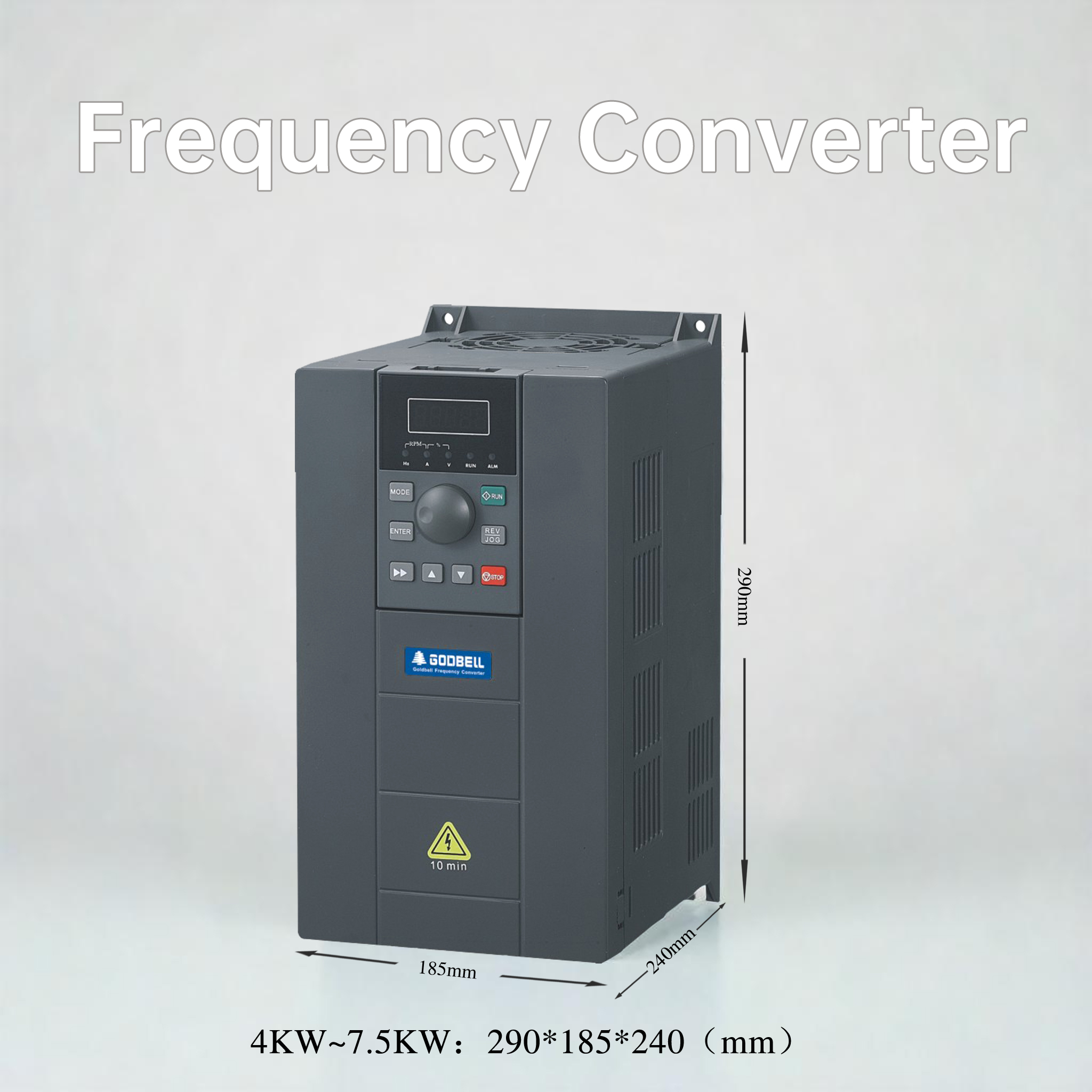
Why Solar Pump Inverters Are Essential for Southeast Asia’s Irrigation Resilience
Grid instability and monsoon volatility drive demand for off-grid solar irrigation
Rural grids across Southeast Asia are notoriously unreliable, with monsoon storms causing frequent blackouts. The Asian Development Bank reported in 2022 that rural areas in the region experience an average of 8 hours of grid outages per week during the rainy season—disrupting electrically powered irrigation and forcing smallholder farmers to rely on costly diesel pumps. According to the International Renewable Energy Agency (IRENA), fuel and maintenance for diesel irrigation can consume up to 40% of a small farm’s operational budget. Solar pump inverters provide a resilient off-grid alternative, converting photovoltaic energy directly into the precise voltage and frequency needed to run water pumps. By eliminating dependence on grid power and fuel deliveries, these systems ensure consistent irrigation through both dry spells and flood-prone periods—critical for rice paddies and high-value crops where even short water stress can devastate yields. With falling solar panel costs and expanding government incentives, solar pump inverters are rapidly becoming the backbone of climate-resilient agriculture in the region.
MPPT optimization in solar pump inverters delivers consistent performance under tropical cloud cover and high humidity
Tropical climates feature rapidly shifting cloud cover and high humidity—conditions that can slash solar panel output. MPPT (Maximum Power Point Tracking) technology in solar pump inverters continuously adjusts the PV array’s operating point to maximize energy harvest. Fraunhofer ISE research indicates that MPPT can boost energy capture by 20–30% under intermittent cloud conditions. This is vital for maintaining stable pump speed and water flow when sunlight is fleeting. Advanced inverters also incorporate conformal-coated circuit boards to resist corrosion from humidity and morning dew, ensuring long-term reliability. Unlike basic on/off DC controllers, MPPT-based inverters sustain smooth motor operation even at low irradiance—preventing damaging start-stop cycling and delivering steady water supply whether during sudden downpours or humid, overcast afternoons.
Selecting a Robust Solar Pump Inverter for Tropical Field Conditions
IP55+ enclosure rating, corrosion-resistant components, and wide operating temperature range (−10°C to 55°C)
Tropical field conditions—high humidity, monsoonal rains, and coastal salinity—pose severe challenges to electronics. Inverter failures in such environments lead to an average of 12% annual irrigation downtime, according to a 2022 field reliability study by a leading agricultural research institute. An IP55 or higher enclosure rating is the first line of defense, providing full protection against directed water jets and dust ingress. This must be paired with corrosion-resistant hardware—including conformally coated PCBs and stainless-steel fasteners—to withstand moisture-laden air over time. A wide operating temperature range (−10°C to 55°C) is equally essential to prevent thermal throttling or condensation damage during rapid dry-to-wet season transitions. Together, these specifications ensure core electronics remain environmentally isolated, enabling reliable motor control without climate-controlled housing.
Motor compatibility: Matching induction and permanent magnet motors with V/f or vector control modes
The pump motor type dictates the required control logic—and directly affects system efficiency and startup reliability. V/f (Volts per Hertz) control is well-suited for standard AC induction motors driving consistent loads, offering a cost-effective, robust solution for surface and shallow-well applications. In contrast, high-efficiency permanent magnet synchronous motors (PMSMs) require vector control, which independently manages magnetic flux and torque for precise speed regulation—essential for maximizing water output per watt, especially during low-light mornings and evenings. Vector control also resolves startup issues with high-head or silt-laden pumps where V/f may stall. The table below summarizes practical motor–inverter pairings:
| Pump Motor Type | Typical Inverter Control Mode | Field Application Note |
|---|---|---|
| AC Induction Motor | V/f Control | Ideal for simple, fixed-speed circulation and surface transfer pumps. |
| Permanent Magnet Synchronous Motor (PMSM) | Vector Control | Required for deep-well submersibles and high-efficiency booster pumps to optimize power use. |
| AC Induction Motor (High Starting Torque) | Vector Control | Solves startup issues with high-head or silt-laden pumps where V/f mode may fail. |
Selecting an inverter that supports both V/f and vector control provides future-proof flexibility—allowing the same platform to adapt as pump technologies evolve.
Sizing and Designing Solar Water Pumping Systems for Local Agro-Climatic Realities
Integrating rainfall patterns, soil water retention, and crop-specific ET₀ into solar pump inverter system sizing
Accurate solar pump inverter sizing begins with agro-climatic analysis—not just peak power calculations. Water delivery must meet the crop’s peak evapotranspiration (ET₀) demand, which can exceed 5–6 mm/day for rice during the dry season. Local rainfall data is critical: effective rainfall (the portion actually usable by crops) and soil water retention properties determine irrigation frequency and volume. Sandy soils—low in water-holding capacity—require more frequent, smaller pumping events, demanding a different duty cycle than clay-rich soils that retain moisture longer. A 2023 analysis of small-scale solar pumping found that systems designed without accounting for local rainfall and soil texture often fail during critical growth stages—or waste capital on oversized capacity. The inverter’s rated capacity must align with this dynamic water volume, not a static daily average, ensuring the pump operates near its peak efficiency point for the required duration. This precision prevents crop stress while avoiding unnecessary cost—delivering a truly resilient and cost-effective irrigation solution.
Proven Regional Applications of Solar Pump Inverters Across Southeast Asia
Vietnam Mekong Delta: 32% higher energy yield with advanced solar pump inverters in rice irrigation
In Vietnam’s Mekong Delta, erratic monsoon rains and daytime grid outages coincide with peak rice irrigation needs. A 2023 field trial by the Asian Development Bank recorded a 32% higher energy yield when advanced MPPT-enabled solar pump inverters replaced fixed-speed diesel pumps. By dynamically adjusting motor speed to real-time solar irradiance, the inverters delivered steady water flow—even under passing clouds—eliminating fuel costs and reducing water-logging risks through precise scheduling. Local cooperatives now flood paddies for 8–10 hours daily without diesel generators, cutting annual operating expenses by over $1,200 per hectare. Their modular design also allows incremental panel expansion as water demand grows, establishing a scalable, off-grid rice irrigation model.
Thailand and Myanmar: Dry-season horticulture and aquaculture powered by offline-capable solar pump inverters
In Thailand’s northeastern plateau and Myanmar’s central dry zone, groundwater-dependent dry-season horticulture and aquaculture face steep diesel costs. Offline-capable solar pump inverters—with built-in dry-run protection and automatic restart—now sustain chili, melon, and shrimp farms through the 7-month dry spell. A 2024 pilot in Chiang Rai reported a 45% reduction in water waste when inverters with sensor-based flow control replaced manual diesel throttling. In Myanmar’s Ayeyarwady region, similar systems power pond aerators for 10 hours daily—maintaining dissolved oxygen without grid electricity. These inverters operate battery-free, drawing directly from the solar array, and are engineered for reliability in 40°C heat and monsoon humidity. Farmers recover installation costs within two seasons—making them a practical lifeline for remote, water-scarce communities.
FAQ Section
Why are solar pump inverters important for agricultural resilience in Southeast Asia?
Solar pump inverters provide a reliable off-grid solution for irrigation, eliminating dependence on unstable grids and costly diesel pumps. They ensure consistent water flow during dry spells and monsoon floods, critical for crop yields.
What is MPPT technology and why is it beneficial for solar pump inverters?
MPPT (Maximum Power Point Tracking) technology optimizes energy capture from solar panels, boosting efficiency by 20–30% even under fluctuating tropical conditions. This ensures stable water supply during cloud cover.
What specifications should I look for in solar pump inverters for tropical climates?
Key specifications include an IP55 or higher enclosure rating, corrosion-resistant components, and a wide operating temperature range of −10°C to 55°C to ensure durability in extreme conditions.
How do pump motor types affect inverter selection?
AC Induction motors typically use V/f control for robustness, while high-efficiency PMSMs require vector control for precise performance and startup reliability, especially in deep-well applications.
How are solar water pumping systems sized for local conditions?
System sizing integrates agro-climatic factors like rainfall patterns, soil water retention, and crop-specific ET₀ demands to ensure efficient irrigation tailored to the region’s needs.
Table of Contents
- Why Solar Pump Inverters Are Essential for Southeast Asia’s Irrigation Resilience
- Selecting a Robust Solar Pump Inverter for Tropical Field Conditions
- Sizing and Designing Solar Water Pumping Systems for Local Agro-Climatic Realities
- Proven Regional Applications of Solar Pump Inverters Across Southeast Asia
-
FAQ Section
- Why are solar pump inverters important for agricultural resilience in Southeast Asia?
- What is MPPT technology and why is it beneficial for solar pump inverters?
- What specifications should I look for in solar pump inverters for tropical climates?
- How do pump motor types affect inverter selection?
- How are solar water pumping systems sized for local conditions?