
 EN
EN



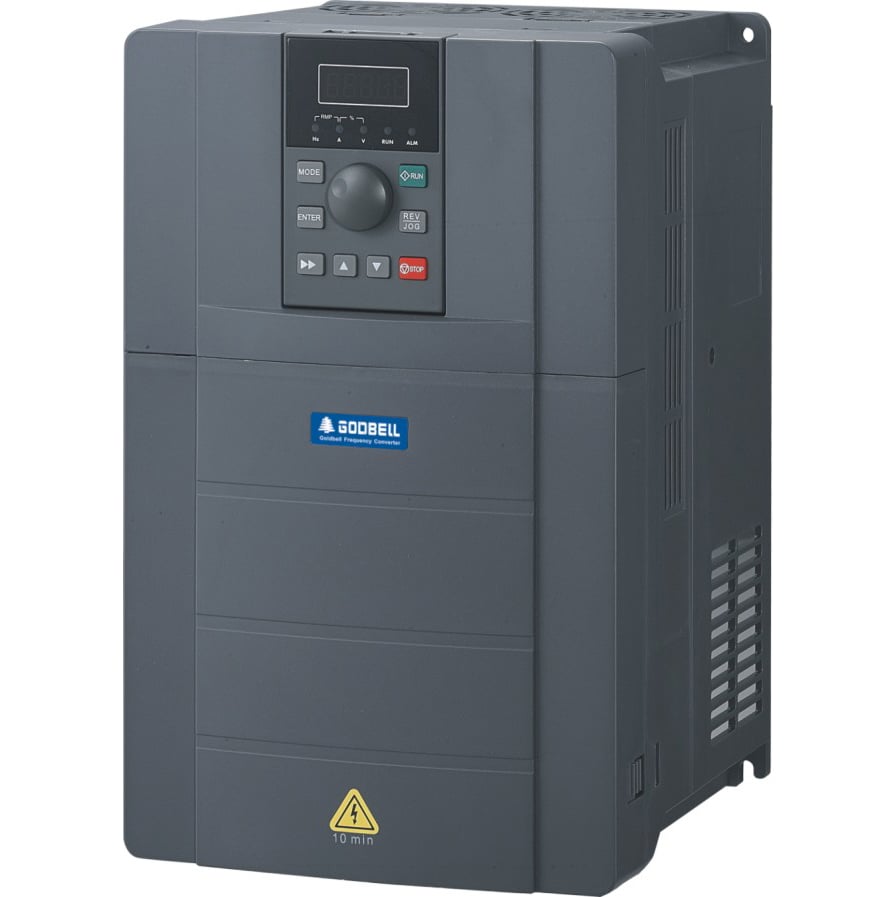
Current State of AC Drivers in African Industrial Manufacturing
The industrial landscape in Africa is undergoing a transformative shift, with manufacturing output rising steadily. However, the adoption of AC drivers—a critical technology for energy-efficient motor control—lags far behind the continent’s industrial growth trajectory. This section examines the current state of AC driver deployment, highlighting the gap between expanding industrial activity and low penetration rates, and compares regional dynamics across key markets.
Low Adoption Despite Growth: Industrial Output vs. AC Driver Penetration
Africa’s manufacturing sector has seen consistent growth, with manufacturing value added rising by an average of 3.4% annually between 2015 and 2023 (World Bank 2024). Yet AC driver penetration remains minimal. Globally, variable frequency drives (VFDs) are integral to modern motor systems; AC drives are expected to command 69.3% of the VFD market in 2025. In contrast, African industries often rely on direct-on-line starters for fixed-speed motors—missing out on energy savings of up to 50% in pump and fan applications. The AC driver market in Africa is nascent, with heavy reliance on imports and limited local assembly. Key sectors like food and beverage, water treatment, and mining are beginning to retrofit pumps and fans—but the overall installed base remains small. Africa accounts for less than 3% of global VFD installations, despite contributing about 2% of global manufacturing output. This gap underscores vast untapped potential for energy efficiency and process optimization.
Regional Disparities: South Africa, Nigeria, and Kenya Compared
Adoption of AC drivers varies significantly across Africa, with South Africa, Nigeria, and Kenya representing three distinct profiles.
| Country | Adoption Level | Key Sectors | Main Barriers |
|---|---|---|---|
| South Africa | Moderate | Mining, water treatment, HVAC | High initial cost, grid instability in some regions |
| Nigeria | Low | Oil & gas, food processing | Severe grid instability, financing gaps, lack of technical expertise |
| Kenya | Emerging | Food & beverage, HVAC, manufacturing | Limited local support, import reliance, power quality issues |
South Africa’s advanced industrial base has enabled wider uptake—particularly in energy-intensive applications like mine ventilation and municipal water pumping. Its VFD market is projected to grow at a CAGR of 5.8% through 2030, supported by national energy efficiency mandates. Nigeria’s massive manufacturing potential is constrained by unreliable grid power, which risks damaging sensitive drive electronics and causing frequent downtime. Deployment remains limited to a few large oil and gas firms. Kenya’s growing food processing sector is gradually adopting AC drivers for conveyor and pump control, but high import tariffs and weak after-sales infrastructure slow progress. These disparities underscore the need for context-specific strategies—not one-size-fits-all solutions—to accelerate integration.
Key Industrial Sectors Driving AC Driver Demand
Food & Beverage and Chemicals: Leading Retrofit Applications for Pumps and Fans
In food and beverage processing and chemical manufacturing, pumps and fans account for a large share of motor energy consumption. Retrofitting these constant-speed systems with AC drivers enables precise speed control, directly matching output to real-time process demand. This reduces energy use by 20–50% in typical pumping applications (MEA VFD Market Report 2025). The pumps segment alone dominates the MEA VFD market, driven by strong ROI from energy savings and reduced mechanical wear. In chemical plants, where corrosive fluids require gentle handling, soft-start capability extends equipment life and cuts maintenance costs. For food and beverage lines, consistent pump speed prevents product damage and improves hygiene, while fan speed modulation optimizes ventilation and cooling without wasteful throttling. These retrofits often deliver payback in under two years—making them a top priority for plant managers seeking operational efficiency.
Mining and Cement: Emerging Use Cases for Heavy-Duty AC Drivers
Mining and cement production are increasingly adopting medium-voltage AC drivers to manage extreme loads and harsh operating conditions. In mines, powerful ventilation fans, crushers, and conveyor belts benefit from high starting torque and controlled acceleration—reducing mechanical stress and peak power demand. Cement plants apply AC drives to large kiln fans and grinding mills, lowering energy consumption per ton of output. Though upfront costs exceed those of low-voltage units, operational savings in these energy-intensive industries are compelling. Medium-voltage drives are gaining traction in mining and power generation as operators seek to cut carbon footprints and improve uptime. Critically, drives with built-in ride-through capabilities help sustain production during voltage dips—making them a strategic investment for African industrial expansion amid persistent grid challenges.
Critical Barriers to AC Driver Deployment Across Africa
Grid Instability and Power Quality Challenges
Voltage fluctuations, brownouts, and harmonic distortion are endemic across many African grids—directly undermining AC driver reliability. Even short-duration sags can trigger fault codes, halting critical processes like pump and fan control. Aging transmission infrastructure and chronic underinvestment remain primary obstacles to stable power delivery (Future Market Insights, 2024). In Nigeria, the 2023 removal of fuel subsidies caused a 34% spike in diesel prices, pushing more manufacturers toward erratic mains electricity—and amplifying the risk of drive failure. Without robust power conditioning, operators face frequent unplanned downtime and premature capacitor failure, eroding the economic case for automation. This instability deters many facility managers from adopting AC drivers—even when energy savings are well documented.
Financing Gaps and Limited Technical Support Infrastructure
The upfront capital cost for a single AC drive installation—often exceeding several thousand dollars per motor—remains a formidable barrier for small and mid-sized enterprises. Access to affordable, long-term equipment financing is scarce, and commercial lending rates in many markets exceed 20%, rendering payback periods unattractive. Compounding this is a severe shortage of trained commissioning and maintenance technicians. In regions where qualified engineers may be hundreds of kilometers away, even minor faults can cause weeks of downtime. This support vacuum forces companies to stockpile expensive spare parts—or revert to direct-on-line starters—negating the efficiency gains AC drivers promise. Until coordinated efforts expand both credit instruments and localized service networks, adoption will remain concentrated among large, well-resourced industrial players.
Strategic Pathways to Scale AC Driver Integration
Scaling AC driver adoption across Africa demands a deliberate, resource-aware strategy that moves beyond single-machine retrofits toward system-level integration. A phased approach—starting with the highest-consumption motor loads such as pumps, fans, and compressors—delivers quick energy savings and builds operational confidence. For example, upgrading a critical cooling pump in a food processing plant typically pays back within 18 months through a 25% reduction in electricity use—a figure aligned with the 20–30% savings documented in IEA motor-system audits (IEA 2022). This incremental method limits downtime and allows maintenance teams to gain hands-on experience before scaling across full production lines.
Equally important is pairing technical upgrades with accessible financing and local skills development. Pay-as-you-save models—where avoided energy costs cover equipment leasing—have proven effective in removing the upfront capital barrier for SMEs. Simultaneously, training programmes that certify in-house technicians on AC drive programming and fault diagnosis reduce dependency on scarce external support. When combined with foundational power quality assessments—installing input reactors or harmonic filters where grid stability is poor—the integration becomes resilient, not just rapid. Such a holistic pathway transforms AC drives from a niche efficiency tool into a standard, scalable component of African industrial infrastructure.
FAQ
What are AC drivers?
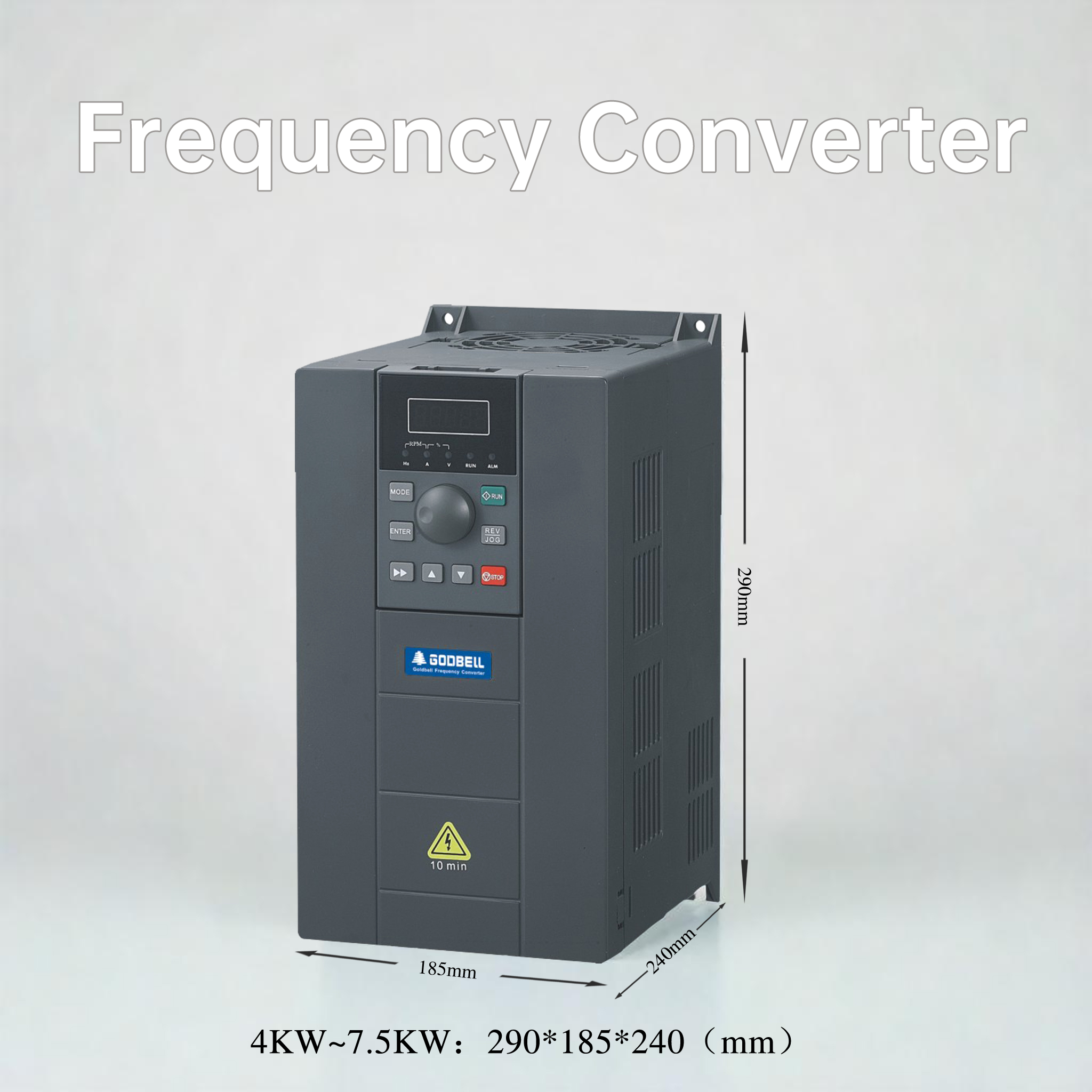
AC drivers, also known as variable frequency drives (VFDs), are devices that regulate the speed and torque of AC motors by adjusting the frequency and voltage of the electrical supply.
Why is AC driver adoption low in Africa?
The low adoption is due to several barriers such as high upfront costs, grid instability, lack of technical expertise, financing gaps, and limited local support infrastructure.
Which industries are pushing demand for AC drivers in Africa?
Industries such as food and beverage processing, chemical manufacturing, mining, and cement production are key drivers of demand due to their need for energy-efficient motor control.
How can power quality issues affect AC drivers?
Power quality issues like voltage fluctuations and harmonic distortion can lead to premature failures or frequent downtimes for AC drivers, severely impacting their reliability.
What strategies can help increase AC driver adoption in Africa?
Adoption can be accelerated by introducing pay-as-you-save financing models, training technicians for in-house support, and implementing grid stability solutions such as harmonic filters and power conditioning systems.