
 EN
EN



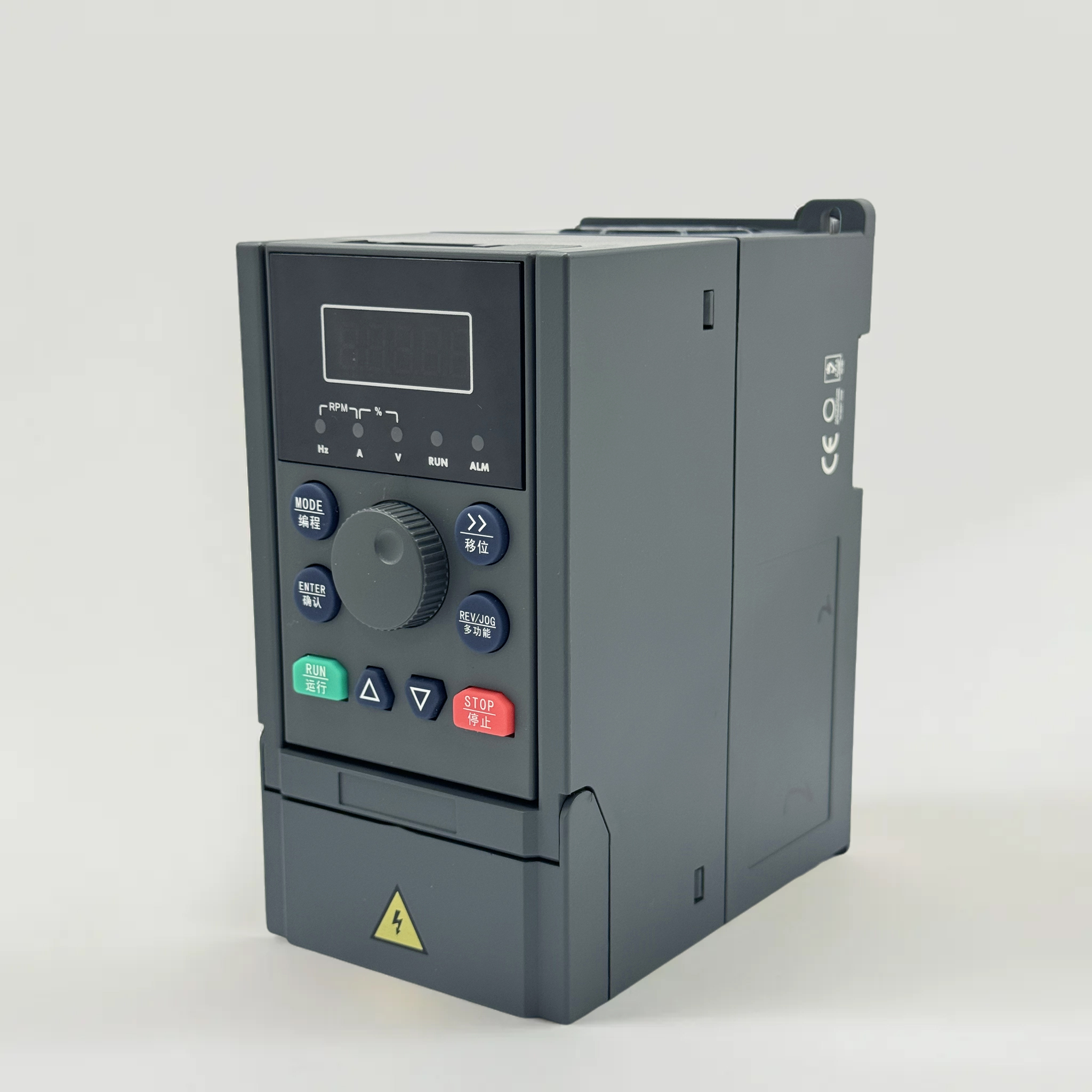
Why VFD Drives Are Critical for Middle East HVAC Performance
In the Middle East, HVAC systems account for over 60% of building electricity use during peak summer periods. VFD drives are critical because they enable precise motor speed control—matching cooling capacity to real-time thermal loads instead of running motors at wasteful constant speed. The cubic power law governing fan and pump affinity means a 25% speed reduction cuts energy use by nearly 60%, while a 50% reduction yields a 90% drop. This dynamic load matching is essential amid daily temperature swings of up to 20°C, which demand rapid, continuous adjustments. The Middle East and Africa VFD market—valued at $0.98 billion in 2025—is projected to reach $1.29 billion by 2030 (CAGR 5.6%), reflecting growing recognition of their strategic value. Beyond energy savings, VFDs reduce mechanical stress on belts, bearings, and impellers, extending equipment life in dusty, high-heat environments. Integrated soft-start and adaptive speed control also stabilize temperature setpoints and prevent costly downtime—making them indispensable for reliable HVAC performance across the region.
Thermal and Environmental Challenges: Derating, Cooling, and Protection for VFD Drives
In Middle East HVAC systems, VFD drives must operate reliably despite ambient temperatures regularly exceeding 50°C, high humidity, and airborne dust. Without proper thermal management and environmental hardening, these conditions accelerate component degradation and cause unplanned downtime.
Thermal derating of VFD drives above 40°C ambient
Most VFD drives are rated for a maximum ambient temperature of 40°C (104°F). As ambient temperature rises above this threshold, cooling efficiency declines and internal power semiconductors risk overheating. To prevent failure, output current must be reduced—typically by 2–3% per degree Celsius above 40°C. At 50°C ambient, for example, a drive may require 20–30% derating from its nominal rating. This ensures junction temperatures remain within safe limits. In practice, HVAC designers often oversize the drive or select models rated for higher ambient temperatures (e.g., 50°C) to avoid performance loss. Ignoring derating risks frequent over-temperature faults, shortened capacitor life, and premature failure.
IP-rated enclosures and forced-air cooling for dust-humidity resilience
Airborne dust and moisture are pervasive hazards across the region. Dust insulates heat sinks and clogs ventilation filters, trapping heat; humidity promotes condensation and corrosion on circuit boards. Enclosures with appropriate Ingress Protection (IP) ratings—such as IP55 for protection against dust and water jets, or IP65 for full dust tightness—provide essential shielding. However, sealed enclosures restrict natural airflow, making forced-air cooling with filtered intakes necessary. Regular cleaning of filters and heat sinks is critical: a blocked filter can raise internal temperatures by 10–15°C, triggering automatic derating. For the most severe environments, closed-loop liquid cooling or remote mounting in climate-controlled electrical rooms further enhances reliability—ensuring consistent temperature control across the HVAC system.
Smart VFD Drive Integration: Load Adaptation Across Diurnal Temperature Swings
Cubic power law in fan/pump control for dynamic load matching
Fans and pumps in HVAC systems follow variable torque load characteristics, where power consumption scales cubically with motor speed. A 20% speed reduction therefore cuts energy use by roughly 50%. VFD drives exploit this principle to dynamically match motor output to real-time cooling demand. In the Middle East, diurnal temperature swings regularly exceed 15°C between day and night. By modulating speed during milder nighttime hours, VFDs eliminate the inefficiency of fixed-speed motors running continuously at full capacity—delivering outsized savings in large air handling units and chilled water pumps. This makes VFD-based control the most effective strategy for aligning output with fluctuating thermal loads, ensuring stable indoor conditions without energy waste.
Real-time setpoint adjustment using ambient temperature feedback
Smart VFD integration extends beyond basic speed control by incorporating real-time ambient temperature feedback. Outdoor air sensors feed data directly to the drive’s controller, enabling continuous speed adjustments to maintain precise indoor setpoints. This adaptive approach prevents overcooling during cooler periods—a common issue where night temperatures drop sharply. For instance, when outdoor temperature falls from 45°C to 30°C, the VFD automatically reduces chilled water flow or fan speed, avoiding unnecessary energy use while preserving occupant comfort. Closed-loop strategies like this can cut HVAC energy consumption by up to 25% in commercial buildings. By responding instantly to ambient shifts, VFDs deliver a seamless balance between comfort and efficiency—vital for round-the-clock operations in the region’s demanding climate.
Energy Efficiency and ROI: Optimizing VFD Drives Under Regional Grid Constraints
Electric motors account for nearly 60% of industrial electricity consumption globally (U.S. Department of Energy, 2023), making efficient operation essential for cost control. VFDs deliver 20–50% energy savings by matching motor speed to actual load demand rather than operating at full speed continuously. In the Middle East—where grid infrastructure often contends with high peak loads and voltage fluctuations—VFDs offer added benefits: soft-start capability reduces inrush current by up to 70%, easing stress on local distribution networks.
The return on investment (ROI) from VFD deployment extends well beyond utility bill reductions. A typical HVAC fan or pump operated with a VFD can cut annual energy use by over 30%, translating to payback periods of 12–18 months in regions with high electricity tariffs. VFDs with integrated power factor correction and harmonic mitigation also help facilities comply with regional grid codes—avoiding penalties and improving overall system reliability. The table below summarizes key efficiency gains and their financial impact:
| Efficiency Metric | Typical Improvement | Regional Benefit |
|---|---|---|
| Energy consumption | 20–50% reduction | Lower kWh demand, reduced peak charges |
| Power factor | 0.95–0.98 | Minimized utility penalties |
| Motor starting current | 70% reduction | Less grid voltage sag |
| Maintenance costs | 15–25% decrease | Fewer rewinds and downtime |
To maximize ROI under harsh Middle Eastern conditions, VFDs must be properly sized and cooled. Derating above 40°C ambient and using IP54 or higher enclosures prevent thermal throttling, ensuring the drive maintains its designed efficiency despite environmental and grid challenges. Integrating VFDs with building automation systems that respond to real-time tariff signals enables intelligent load shifting to off-peak hours—unlocking additional savings and supporting regional grid stability.
FAQ
Q: Why are VFD drives critical for HVAC systems in the Middle East?
A: VFD drives enable precise motor speed control to align cooling capacity with real-time needs. This enhances energy efficiency, reduces equipment strain, and stabilizes temperature in high-temperature environments.
Q: How does thermal derating affect VFD drives?
A: As ambient temperatures exceed 40°C, output current is reduced to prevent overheating. For instance, at 50°C, a 20–30% derating may be needed to maintain safe operating conditions.
Q: What measures improve VFD reliability in dusty and humid environments?
A: IP-rated enclosures (e.g., IP55 or higher) shield against dust and moisture, while forced-air cooling or liquid cooling prevents heat buildup. Regular maintenance of filters and heat sinks is also essential.
Q: How do VFDs save energy in HVAC systems?
A: VFDs reduce motor speed to match cooling demand. Their use in fans and pumps can lead to energy savings of 20–50% by leveraging the cubic power law of load variation.
Q: What is the ROI of using VFDs in HVAC systems?
A: VFDs typically offer a payback period of 12–18 months due to energy savings, reduced maintenance costs, and enhanced system longevity. Soft-start features also reduce wear and stress on motors.
Table of Contents
- Why VFD Drives Are Critical for Middle East HVAC Performance
- Thermal and Environmental Challenges: Derating, Cooling, and Protection for VFD Drives
- Smart VFD Drive Integration: Load Adaptation Across Diurnal Temperature Swings
- Energy Efficiency and ROI: Optimizing VFD Drives Under Regional Grid Constraints
- FAQ