
 EN
EN



Why Energy Optimization Matters for single to 3 phase converter
Many small factories, workshops, and agricultural sites rely on a single to 3 phase converter to run three‑phase motors using only single‑phase power, but few realize that poorly optimized units waste 20%–40% more electricity than necessary. With nearly 20 years of experience in industrial power control solutions across 60+ countries, I have seen firsthand how improper settings and mismatched parameters lead to high heat, low efficiency, and shortened service life. Energy authorities confirm that three‑phase motors driven by an optimized single to 3 phase converter can reduce power consumption significantly while maintaining stable performance. Simply using default settings ignores load characteristics, voltage fluctuations, and motor differences. Our power electronic converters are designed with high‑efficiency topology and intelligent algorithms, allowing users to maximize energy saving without sacrificing reliability or power quality. Optimization is not an extra upgrade but a necessary step to cut costs, lower heat stress, and extend equipment lifetime.
Working Principles Behind Efficient single to 3 phase converter
A high‑efficiency single to 3 phase converter uses advanced AC‑DC‑AC conversion with intelligent power management to minimize energy loss. The unit first rectifies single‑phase input into stable DC power, then inverts it into balanced three‑phase AC with precise 120° phase shift. High‑efficiency IGBT modules, optimized modulation, and low‑loss components reduce switching and conduction losses. Electrical engineering research shows that pure sine‑wave output and low THD (total harmonic distortion) greatly improve motor efficiency and reduce reactive power loss. Our converters use digital signal control and active power factor correction to keep PF above 0.95, which reduces grid current and line loss. Unlike traditional low‑efficiency converters, our models automatically adjust output voltage and frequency based on real‑time load, avoiding energy waste during light load or standby conditions. This intelligent matching ensures that every watt of input power is used effectively.
Practical Experience Optimizing single to 3 phase converter
We have helped hundreds of small industrial and agricultural customers optimize their single to 3 phase converter for higher efficiency. In a small food processing plant, the customer’s converter ran with default parameters, causing high energy use, frequent overheating, and unstable motor speed. Our engineers analyzed motor data, load profile, and grid conditions, then adjusted carrier frequency, acceleration/deceleration curves, voltage‑to‑frequency ratio, and protection thresholds. We also enabled energy‑saving mode and optimized output waveform. After tuning, energy consumption dropped by nearly 30%, and the system ran cooler and quieter. In another agricultural irrigation project, we optimized the converter to match water pump load and sunlight variation, achieving stable flow and lower power use. These real cases prove that professional optimization turns a standard single to 3 phase converter into a highly efficient, cost‑saving power solution.
Key Optimization Methods for Higher Energy Efficiency
Practical optimization steps can dramatically improve the efficiency of any single to 3 phase converter. First, enter accurate motor nameplate parameters and run automatic self‑tuning to establish a precise operation model. Second, adjust the V/F curve to match load type—constant torque for conveyors and mixers, quadratic torque for fans and pumps. Third, enable built‑in energy‑saving algorithms that reduce output power during light load conditions. Fourth, optimize carrier frequency to reduce switching loss without creating excessive noise. Fifth, keep the unit clean, well‑ventilated, and free of dust to maintain heat dissipation and reduce thermal loss. Our single to 3 phase converter products support these adjustments with user‑friendly panels and clear menus. All units are CE, TUV, and ISO 9001 certified, ensuring optimized performance meets international safety and efficiency standards.
Long‑Term Benefits of Optimized single to 3 phase converter
Optimizing a single to 3 phase converter delivers lasting economic and operational benefits. Lower energy use directly reduces monthly electricity bills, while reduced heat extends the life of both the converter and the motor. Stable, clean output reduces mechanical stress, lowering maintenance costs and downtime. For small businesses without three‑phase power, an optimized converter means full access to high‑efficiency three‑phase motors at a lower operating cost. With our strong manufacturing capacity, large inventory, factory‑direct pricing, and 24/7 technical support, customers can easily achieve and maintain peak efficiency. Whether used in manufacturing, farming, or logistics, an optimized single to 3 phase converter provides reliable, economical, and eco‑friendly power conversion. In today’s energy‑focused world, efficiency optimization is essential for sustainable, low‑cost operation.
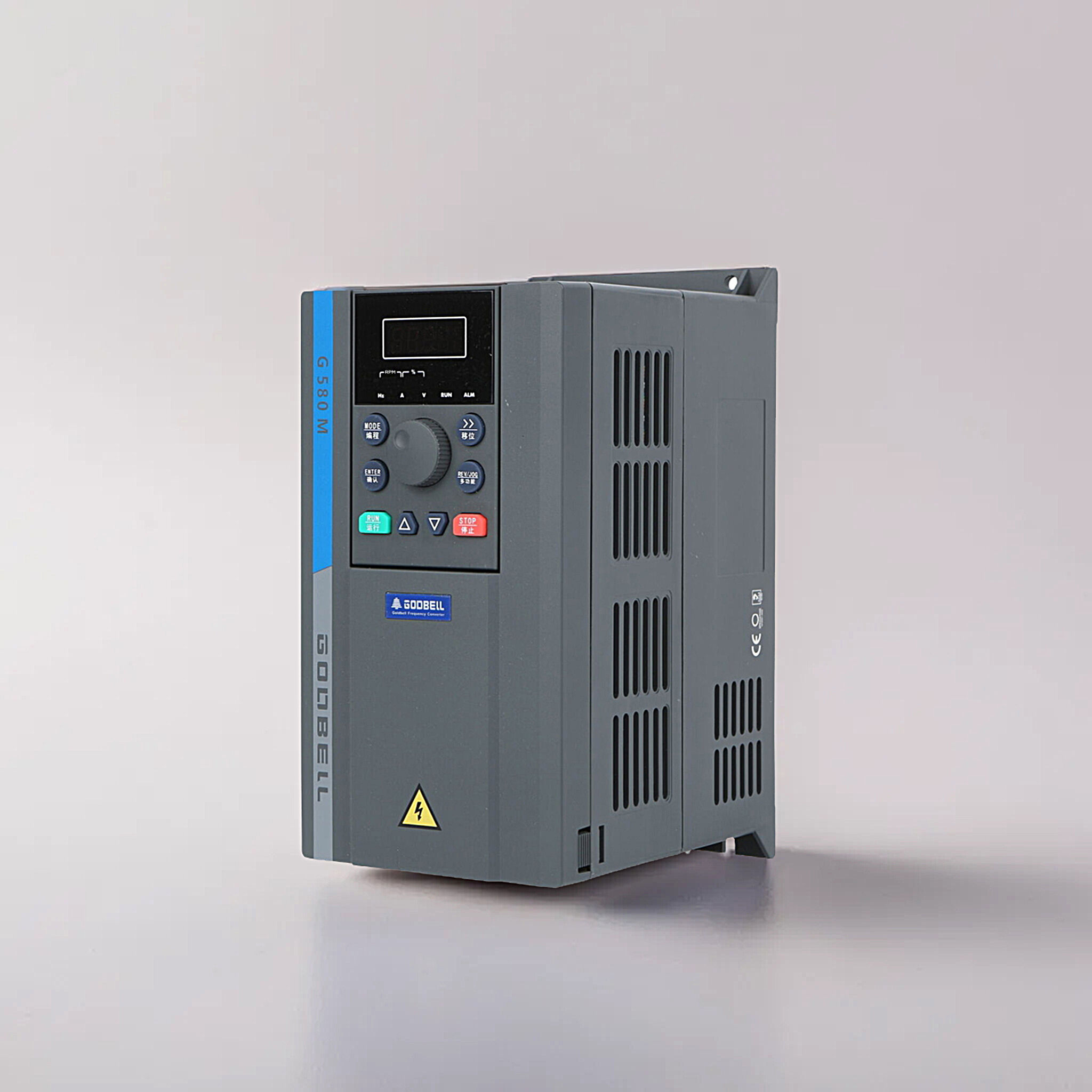
Table of Contents
- Why Energy Optimization Matters for single to 3 phase converter
- Working Principles Behind Efficient single to 3 phase converter
- Practical Experience Optimizing single to 3 phase converter
- Key Optimization Methods for Higher Energy Efficiency
- Long‑Term Benefits of Optimized single to 3 phase converter