
 EN
EN



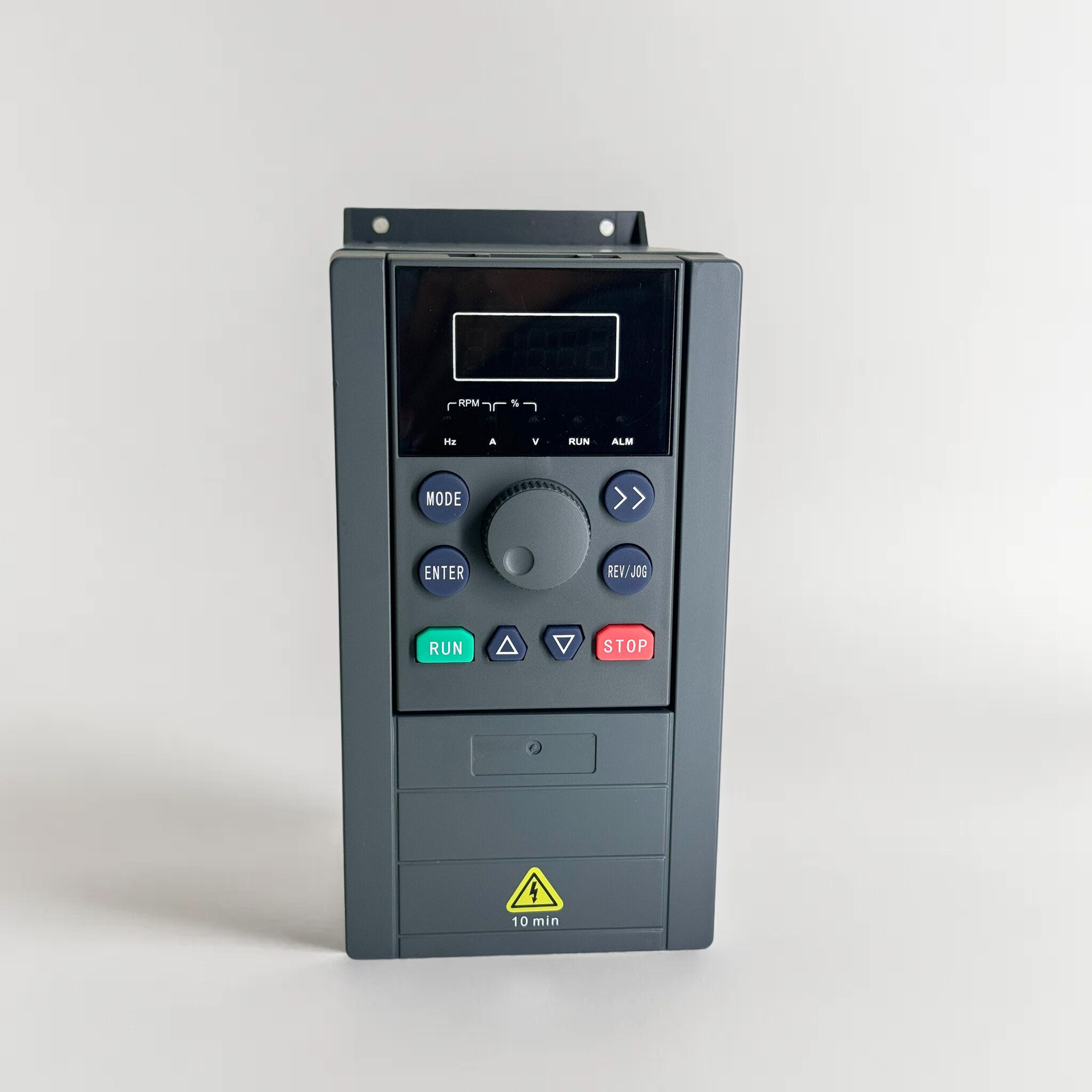
Жиілік түрлендіргішін орнату кезіндегі қолданысқа арналған ескертулер
Сорап пен желдеткіштің жұмыс циклы мен конвейер немесе компрессор жүктемелері
Айнымалы моментті жүктемелер — мысалы, сорғылар мен желдеткіштер — квадраттық заң бойынша момент қисығын ұстанады, яғни жылдамдық төмендегенде жүктеме тез төмендейді. Бұл қарапайым V/F басқару әдістерімен тиімді жұмыс істеуге мүмкіндік береді. Ал конвейерлер мен компрессорлар сияқты тұрақты моментті жүктемелер жылдамдық диапазонының барлық ауқымында, соның ішінде қозғалтқышты іске қосқан кезде және төмен айналу жиілігінде де толық моментті қажет етеді. Бұл қолданбалар дәл ағын мен моментті реттеу үшін векторлық басқаруды талап етеді. Мысалы, компрессорда V/F басқаруын қолдану қозғалтқыштың тоқтауына немесе қызуына әкелуі мүмкін; ал қарапайым желдеткіште векторлық басқаруды қолдану артық шығындар мен күрделілікке әкеледі. Жүктеме сипаттамасына сәйкес басқару стратегиясын таңдау надежділік, пайдалы әсер коэффициенті және қозғалтқыштың қызмет мерзімі үшін маңызды.
Қоршаған ортаның әсері: IP дәрежесі, салқындату және ЭМС сақталуы
Өнеркәсіптік орнату үшін физикалық ортаға сәйкес бағаланған жиілік түрлендіргіштер қажет. Жуу процестері бар тамақ пен сусын өндіріс орындарында жоғары қысымды су ағыны мен коррозиялық тазартқыштарға төзімді IP66 (немесе одан да жоғары) қорғау дәрежесіне ие қораптар қажет. Цемент немесе қазбалық өндіріс сияқты тозаңды ортада абразивті бөлшектердің ішке кіруін болдырмау үшін герметикатталған, сүзгішті суыту жүйелері қажет. Жиі тежеу жүктемелерін өңдейтін регенеративті жетек жүйелері қатты жылу шығарады және көбінесе қауіпсіз жұмыс температурасын сақтау үшін мәжбүрлі ауа немесе сұйықтық арқылы суытуға сүйенеді. Электромагниттік үйлесімділік (ЭМҮ) сезімтал өлшеу құралдары немесе таратылған басқару жүйелері бар ортада да осылай маңызды; сәйкессіз жетектер сигналдың шуын туғызып, қателікпен қосылуға немесе деректердің бұзылуына әкелуі мүмкін. IEC 61800-3 стандарты реттелетін жылдамдықты электрлік қуат жетегі жүйелері үшін шығарылатын шулар мен оған төзімділік талаптарын анықтайды, ал оған сай келу заманауи өнеркәсіптік желілерге тұрақты интеграциялануды қамтамасыз етеді.
Қазіргі жиілік түрлендіргіштердегі интеграция, байланыс және ақылды функциялар
Өнеркәсіптік өріс шинасын қолдау (Modbus, CANopen, EtherCAT) және PLC-пен өзара әрекеттесу
PLC-пен үздіксіз интеграция қазір қажеттіліктен гөрі міндетті талап болып табылады. Жетекші жиілік түрлендіргіштер Modbus RTU/TCP, CANopen және EtherCAT сияқты бірнеше өнеркәсіптік өріс шинасы протоколдарын қолдайды, олар жылдамдыққа сілтеме беру, күй туралы кері байланыс, ақауларды тіркеу және параметрлерді синхрондау үшін детерминирленген, нақты уақыттағы деректер алмасуын қамтамасыз етеді. Көп протоколды қолдау өндірушіге тәуелділікті жояды және жаңа орнатулар мен ескі жүйелерді модернизациялау процестерін жеңілдетеді. Мысалы, EtherCAT синхрондалған қозғалыс басқаруы үшін миллисекундтан кем цикл уақытын қамтамасыз етеді, ал Modbus TCP SCADA және HMI платформаларымен қарапайым интеграцияны ұсынады. Бұл өзара әрекеттесу жүйенің жауап беру қабілетіне, іске қосу уақытына және ұзақ мерзімді масштабталуына тікелей әсер етеді.
Интернет құрылғыларына дайын диагностика, қашықтан бақылау және болжамды техникалық қызмет көрсету
Қазіргі жиілік түрлендіргіштері интеллектуалды диагностика (құрылғы ішіндегі температура, ток, кернеу және тербеліс сенсорлары) мен деректерді берілуінен бұрын жергілікті деңгейде өңдейтін шеттік аналитика функцияларын қамтиды. Бұл мүмкіндіктер бұлтқа қосылған панельдер арқылы қашықтан бақылауды қамтамасыз етеді және болжамды техникалық қызмет көрсету стратегияларын қолдайды. McKinsey-дің 2023 жылғы Өнеркәсіптік Интернет әлемі туралы есебіне сәйкес, осындай интеграцияланған диагностика құралдарын қолданатын кәсіпорындар жоспарланбаған тоқтап қалуларды 43%–ке, ал адаптивті жүктеме оптимизациясы арқылы орташа энергиялық тиімділікті 18%–ге жоғарылатты. Аномалияларды анықтау алгоритмдері — мысалы, роликті тірек ыдырауының алдын-ала белгілері немесе изоляцияның нашарлауы сияқты — азғантай ауытқуларды анықтайды және ақау пайда болғаннан бұрын хабарландыруларды іске қосады. Бұл техникалық қызмет көрсетуді реактивті ақауларды жоюдан алдын-ала қателерді болдырмауға, яғни деректерге негізделген мақсатты шешім қабылдауға ауыстырады.
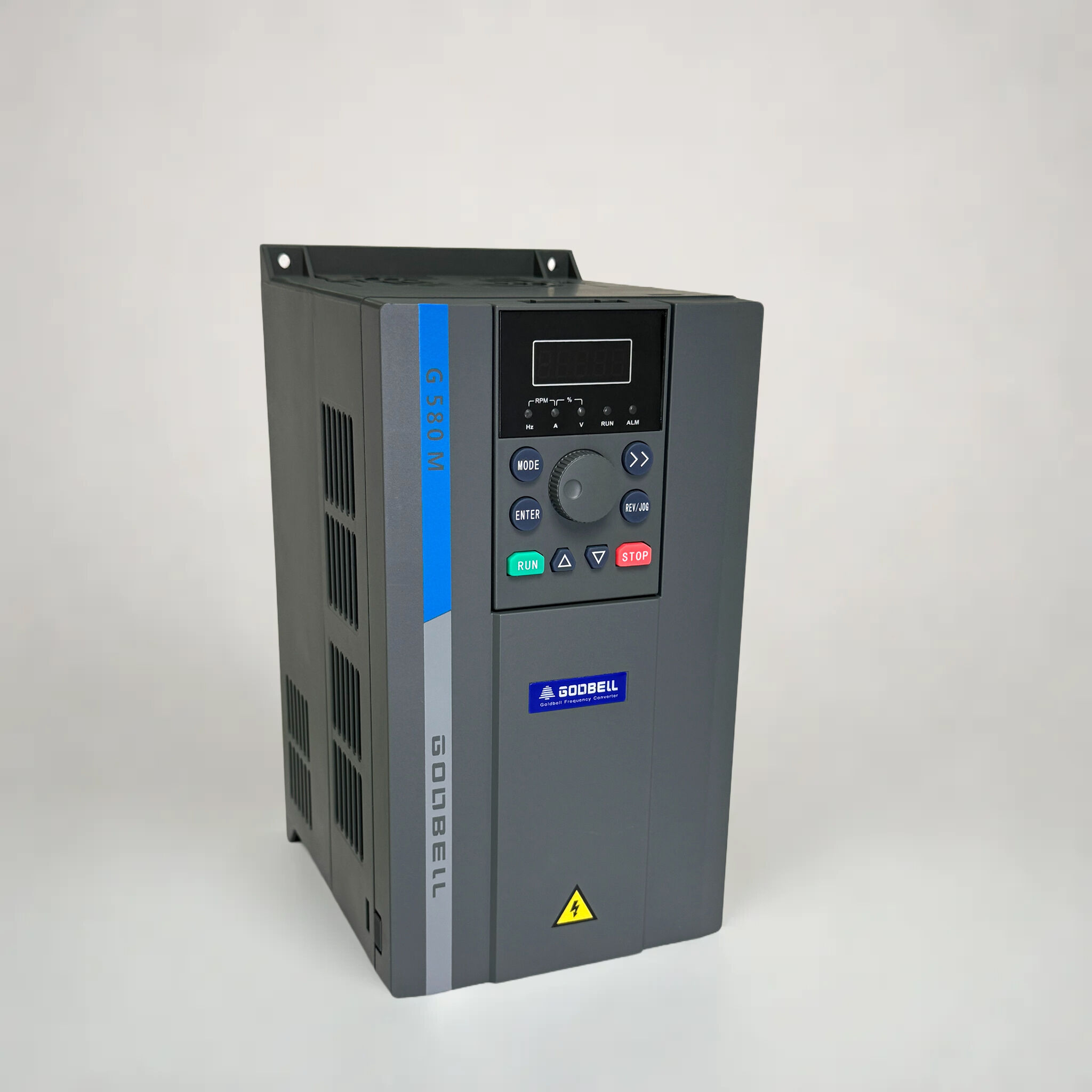
Жиі қойылатын сұрақтар
Жиілік түрлендіргіштерінде V/F басқару мен векторлық басқару арасындағы айырмашылық неде?
V/F басқару сорғылар мен желдеткіштер сияқты айнымалы моментті жүктемелерге арналған, мұнда жылдамдық төмендеген кезде жүктеме қатты төмендейді. Векторлық басқару конвейерлер мен компрессорлар сияқты тұрақты моментті жүктемелер үшін қажет, өйткені ол жылдамдық диапазоны бойынша дәл ағын мен моментті реттеуді қамтамасыз етеді.
Жиілік түрлендіргіштер үшін ЭМС сәйкестігі неге маңызды?
ЭМС сәйкестігі сезімтал өлшеу құралдары немесе орталасқан басқару жүйелері бар ортада өте маңызды, өйткені сәйкес келмейтін жетектер сигналдың шуын туғызып, жалған авариялық тоқтатулар немесе деректердің бұзылуы сияқты жұмыс істеу проблемаларына әкелуі мүмкін.
Жергілікті желі протоколдары жиілік түрлендіргіштерде қосылу мүмкіндігін қалай жақсартады?
Modbus, CANopen және EtherCAT сияқты жергілікті желі протоколдары ПЛК-лермен ыңғайлы интеграциялануды қамтамасыз етеді, бұл жүйенің жауап беру қабілеті мен икемділігін арттыру үшін нақты уақытта деректер алмасуын қамтамасыз етеді.
Интернет құрылғыларына дайын диагностика жиілік түрлендіргіштерде қандай артықшылықтар ұсынады?
IoT-дайын диагностика қашықтан бақылау мүмкіндіктерін қамтамасыз етеді және болжамды техникалық қызмет көрсету стратегияларын қолдайды, ол ғимараттардың жоспарланбаған тоқтатуларын азайтуға және адаптивті жүктеме оптимизациясы арқылы энергияны пайдаланудың тиімділігін арттыруға көмектеседі.
Мазмұны
- Жиілік түрлендіргішін орнату кезіндегі қолданысқа арналған ескертулер
- Қазіргі жиілік түрлендіргіштердегі интеграция, байланыс және ақылды функциялар
-
Жиі қойылатын сұрақтар
- Жиілік түрлендіргіштерінде V/F басқару мен векторлық басқару арасындағы айырмашылық неде?
- Жиілік түрлендіргіштер үшін ЭМС сәйкестігі неге маңызды?
- Жергілікті желі протоколдары жиілік түрлендіргіштерде қосылу мүмкіндігін қалай жақсартады?
- Интернет құрылғыларына дайын диагностика жиілік түрлендіргіштерде қандай артықшылықтар ұсынады?