
 EN
EN



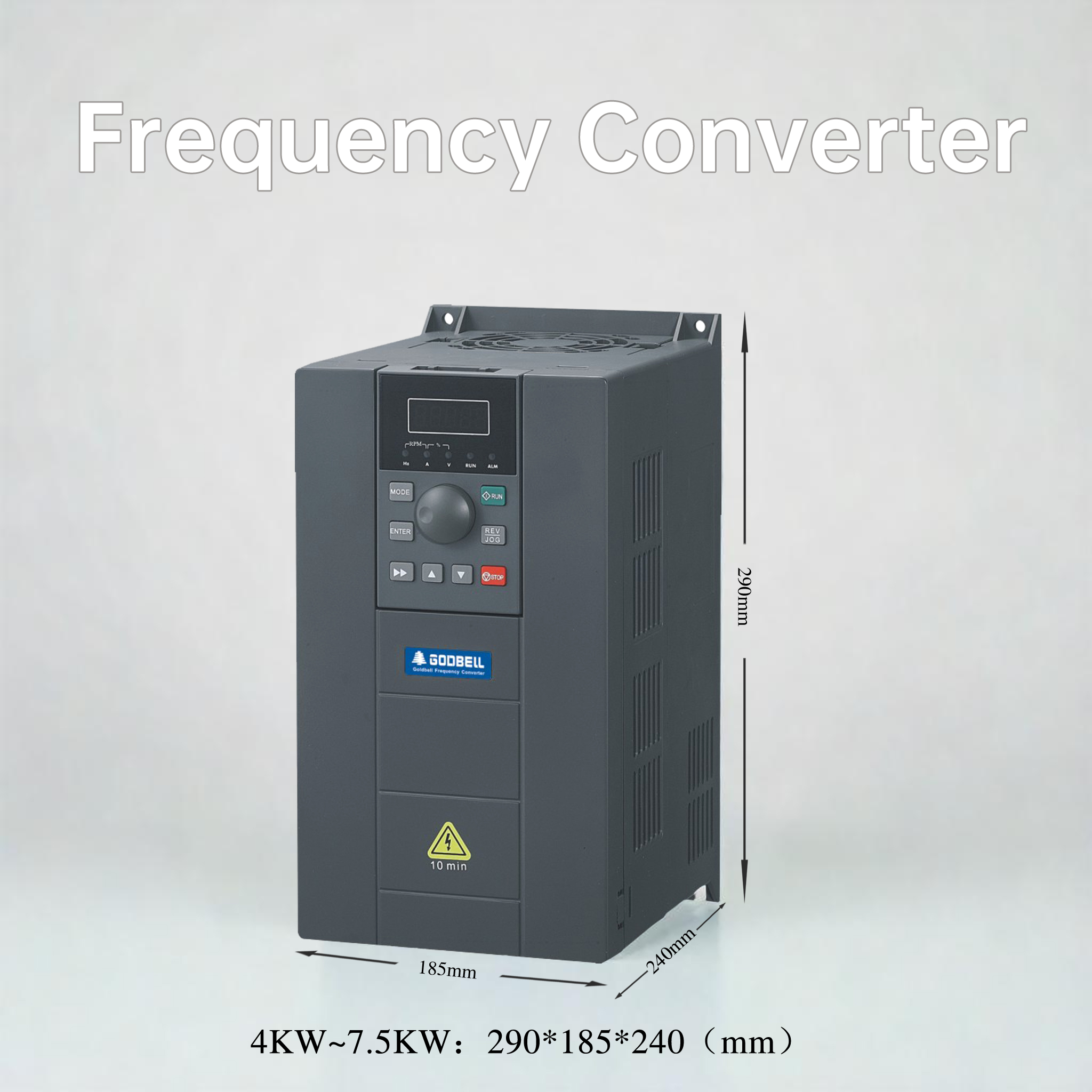
Sizing the Solar Pump Inverter for Indian Agricultural Loads
Matching Inverter kW Rating to Pump HP, Daily Irrigation Demand, and Crop Cycle Variability
The solar pump inverter must handle both the pump’s starting surge and continuous load while meeting daily water output requirements. A 1 HP (0.746 kW) induction motor typically requires a 1.5–2.0 kW inverter to accommodate power factor, efficiency losses, and 6–8× inrush current at startup. For a 5 HP pump, therefore, select a 7.5–10 kW solar pump inverter. Daily irrigation demand varies significantly with crop type and season: a 2 HP pump delivering 28,000 litres/hour over 6 peak sun hours can irrigate 1–2 hectares of vegetables—but demand may double for paddy during kharif. Design the inverter with overload capacity to sustain 120% of rated current for 60 seconds, covering brief head pressure spikes. Use the conservative rule of multiplying the pump’s full-load current by 1.25 to verify the inverter’s continuous output rating—this prevents frequent tripping and ensures reliability across diverse crops like wheat, sugarcane, and horticulture.
Accounting for High Ambient Temperatures: Voc Derating & DC Input Voltage Compatibility with 550W+ Indian PV Modules
High ambient temperatures in India—often exceeding 45°C—reduce PV module open-circuit voltage (Voc). A typical 550W monocrystalline module with Voc 49.5 V at STC (25°C) loses ~0.3% per °C, yielding ~43.5 V at 50°C. This temperature coefficient must be factored into string sizing to keep DC input voltage within the inverter’s MPPT window. For an inverter with a 200–800 V MPPT range, a 10-module string produces only ~435 V at 50°C—safely above the minimum but well below nominal 650 V, potentially reducing MPPT efficiency. Specify a minimum MPPT voltage at least 20% below the expected lowest Voc to ensure operation during early morning or post-monsoon haze. Also confirm compatibility with the higher current output of 550W+ panels (13–14 A Imp) and ensure the inverter’s DC terminals support the array’s Isc. Target a string voltage of 600–700 V under STC to maintain optimal MPPT efficiency across India’s climatic zones.
Configuring Solar Pump Inverter Motor Control for Indian Pump Types
Proper motor control configuration is critical to ensure reliable operation of Indian agricultural pumps under varying solar conditions.
Tuning V/F and Sensorless Vector Parameters for Submersible vs. Surface Pump Motors
For submersible pumps—commonly used in deep borewells—a simple V/F (voltage-to-frequency) control mode often suffices, as these pumps operate under relatively constant head and flow. Set the inverter to the motor’s rated voltage (typically 415 V) and frequency (50 Hz), with a linear V/F curve to maintain constant torque. A modest boost voltage at low frequencies helps overcome initial friction; excessive boost risks motor overheating. In contrast, surface centrifugal pumps—subject to variable suction lift and discharge head—benefit from sensorless vector control, which delivers precise torque regulation and faster response to load changes, improving efficiency during cloudy periods. Program the inverter with accurate stator resistance and no-load current values, ideally obtained via auto-tuning or the motor datasheet. Tuning the carrier frequency to a lower value reduces audible noise and switching losses—especially valuable in hot rural environments.
Enabling Soft-Start and Overload Protection for Frequent Dry-Run and Voltage-Sag Conditions
Soft-start gradually ramps up output voltage and frequency, limiting inrush current to just 2–3× motor rated current instead of 6–8×. This protects inverter power electronics and reduces mechanical stress on the pump shaft. Given falling water tables across many Indian states, dry-run protection is essential: the inverter should monitor motor current and power factor, tripping within seconds when current drops sharply—indicating no water flow—to prevent bearing damage. Overload protection must be set to 110–120% of rated current with inverse-time characteristics to tolerate temporary blockages without nuisance tripping. For voltage-sag conditions—common during grid backup or low irradiance—configure under-voltage ride-through (UVRT) to automatically reduce motor speed and avoid stalling, resuming full speed once voltage recovers. This ensures uninterrupted water delivery even during momentary sags.
Optimizing Solar Pump Inverter Operation in Hybrid Grid-Solar-Rural Contexts
Configuring Priority Modes: Solar-First, Grid Backup, and Auto-Transfer Logic per MNRE Guidelines
The inverter’s control logic must prioritize solar energy in alignment with MNRE’s mandate to maximize renewable utilization. In solar-first mode, the inverter draws exclusively from the PV array until DC bus voltage falls below a preset threshold—typically 350–400 V for a 3-phase system—at which point it seamlessly engages grid or diesel backup. This automatic transfer uses a hysteresis band to prevent rapid cycling, ensuring uninterrupted water delivery. Field data from MNRE indicates solar-first operation can reduce grid electricity consumption by up to 80% during peak irrigation months. For enhanced reliability, integrate water-level sensors and dry-run protection directly into the inverter’s I/O logic so the pump stops regardless of power source when the source is low. Include a minimum solar-runtime delay (e.g., 5 minutes) in the auto-transfer logic to avoid unnecessary changeovers during passing clouds—preserving contactor life and motor insulation.
MPPT Efficiency Tuning for Low-Irradiance Monsoon Months and High-Dust Winter Conditions
Monsoon cloud cover and winter dust accumulation significantly degrade PV output—demanding precise MPPT tuning. During low-irradiance periods, configure the MPPT algorithm to scan a wider voltage window (60–90% of array Voc) to capture the flattened power curve. Reduce the MPPT sweep interval to 0.5–1 second to track rapid irradiance fluctuations common under overcast skies. In dusty environments, a fixed-voltage MPPT lock—set 10–15% below standard Vmp—helps avoid false peaks caused by partial shading or soiling. Field studies show such fine-tuning boosts energy yield by 5–10% during monsoon months [Renewable Energy Lab, 2022]. Also set a minimum MPPT power threshold (~5% of inverter rated capacity) to prevent inefficient operation when irradiance is too low to overcome pump friction—protecting the motor and ensuring water is lifted only when sufficient energy is available.
Commissioning, Validation, and Troubleshooting the Solar Pump Inverter On-Site
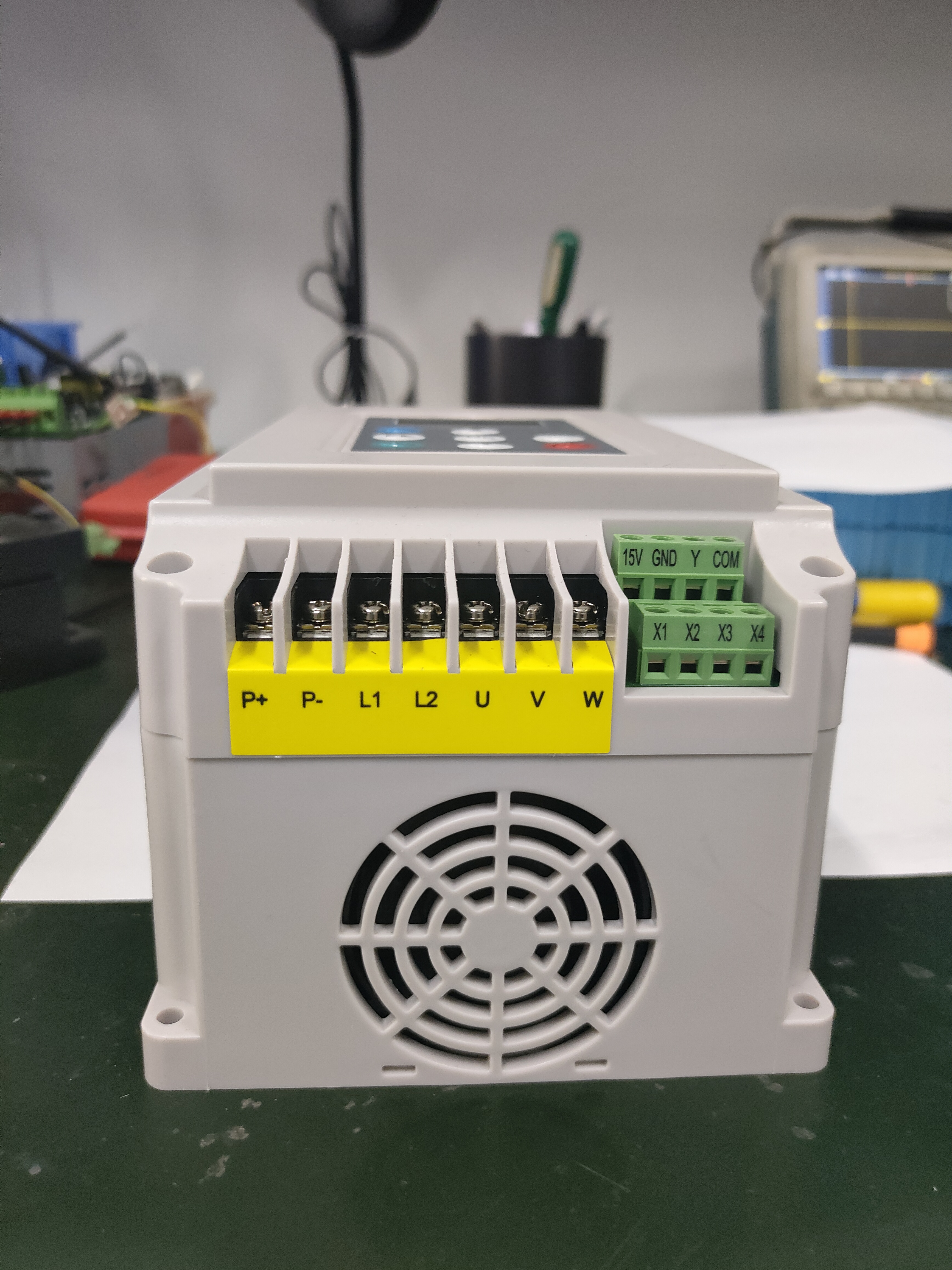
Proper on-site commissioning ensures the solar pump inverter operates reliably under India’s varied rural conditions. Begin by verifying that the solar array’s open-circuit voltage (Voc), derated for local high-temperature conditions, falls within the inverter’s specified DC input range. Confirm all DC and AC connections are tight and use cable gauges recommended by the manufacturer to minimize voltage drop. Program core parameters—including motor rated current, frequency, and dry-run protection thresholds—via the inverter’s keypad or companion app. Conduct a low-irradiance test to observe MPPT tracking behavior, smooth pump start-up, and stable flow under partial sunlight. Validate that soft-start engages consistently and that the inverter resumes operation automatically after solar or grid interruptions.
Common on-site issues include low-voltage warnings—often due to insufficient modules in series or heavy soiling during monsoon months. Inspect panel wiring and clean modules to restore voltage. Overload or overheat faults may indicate a mismatched pump, blocked impeller, or incorrect motor parameter entry; clear obstructions and recheck motor current against nameplate values. If dry-run protection triggers repeatedly, inspect water-level sensor connections and verify source availability. Routine maintenance—cleaning cooling vents, tightening terminals, and updating firmware—prevents most failures. A well-commissioned solar pump inverter delivers years of trouble-free service with minimal intervention.
Frequently Asked Questions (FAQ)
1. What size inverter is required for a specific pump horsepower (HP)?
You typically need to select an inverter that accounts for the pump’s starting surge and operational load. For example, a 1 HP pump requires a 1.5–2.0 kW inverter, while a 5 HP pump needs a 7.5–10 kW inverter. Multiply the pump’s full-load current by 1.25 to ensure continuous output rating reliability.
2. Why is Voc derating necessary for PV modules in high temperatures?
Voc derating accounts for reduced open-circuit voltage in high ambient temperatures. For example, a typical 550W module loses ~0.3% per degree Celsius, impacting string sizing to keep the inverter within its MPPT window.
3. Should sensorless vector control be used for surface pumps?
Yes, sensorless vector control improves torque regulation and load response, making it ideal for surface centrifugal pumps which deal with varied suction lift and discharge head conditions.
4. How do you configure dry-run protection?
Dry-run protection monitors motor current and power factor, ensuring the inverter trips quickly when current drops sharply—an indication of no water flow. This prevents bearing damage and prolongs pump life.
5. What is solar-first mode, and why is it important in hybrid systems?
Solar-first mode prioritizes PV energy utilization, switching to grid or diesel backup only when PV voltage falls below a set threshold. This approach aligns with MNRE guidelines to maximize renewable energy use and reduces grid electricity consumption during peak months.
Table of Contents
- Sizing the Solar Pump Inverter for Indian Agricultural Loads
- Configuring Solar Pump Inverter Motor Control for Indian Pump Types
- Optimizing Solar Pump Inverter Operation in Hybrid Grid-Solar-Rural Contexts
- Commissioning, Validation, and Troubleshooting the Solar Pump Inverter On-Site
-
Frequently Asked Questions (FAQ)
- 1. What size inverter is required for a specific pump horsepower (HP)?
- 2. Why is Voc derating necessary for PV modules in high temperatures?
- 3. Should sensorless vector control be used for surface pumps?
- 4. How do you configure dry-run protection?
- 5. What is solar-first mode, and why is it important in hybrid systems?