
 EN
EN



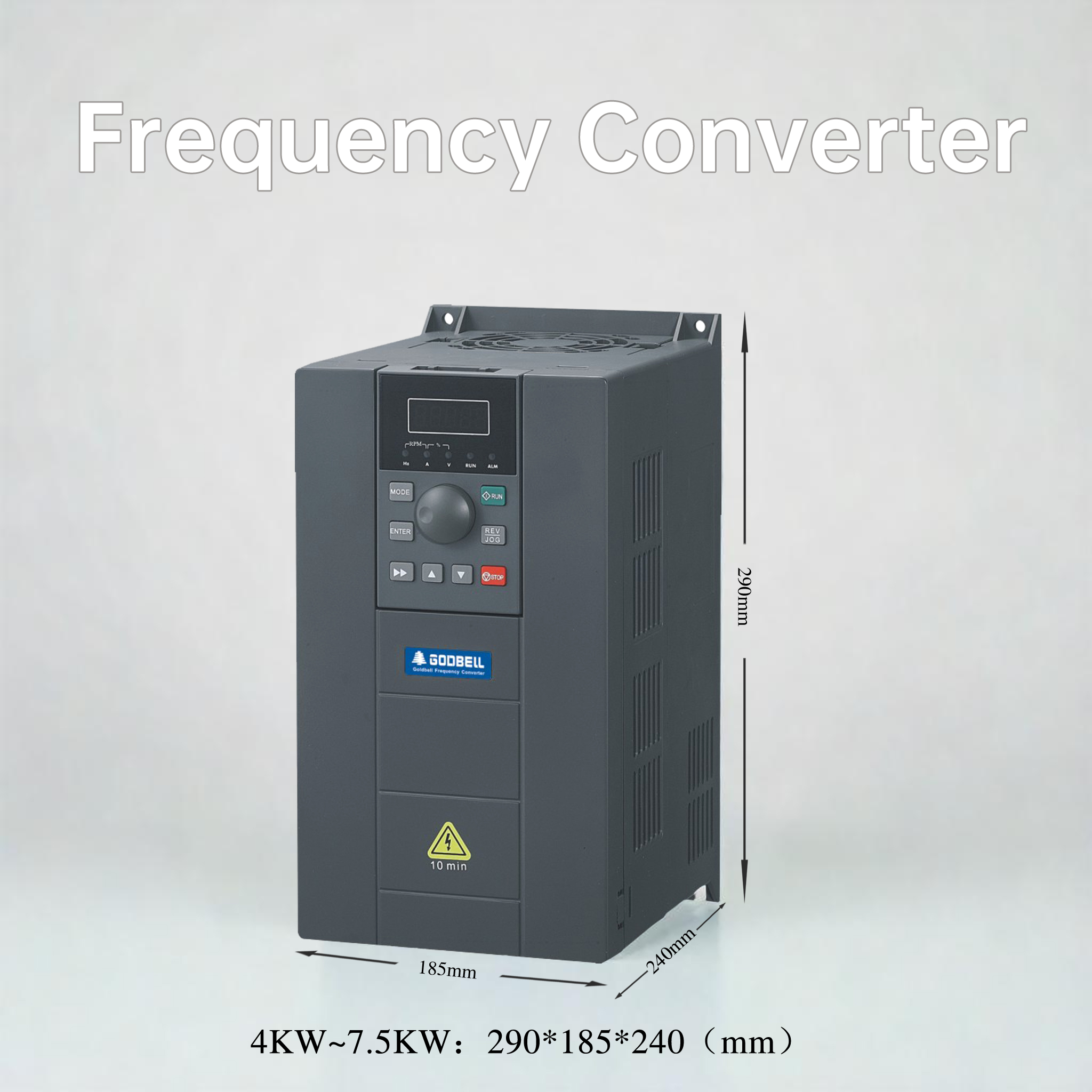
What Are VFD Drives and How Do They Work?
Core Principles of Variable Frequency Drive Operation
A Variable Frequency Drive (VFD) is an electronic controller that adjusts the speed and torque of an AC induction motor by varying the frequency and voltage of the power supplied. Motor synchronous speed follows the formula Ns = 120f / P, where f is supply frequency (Hz) and P is the number of motor poles. Lowering frequency reduces speed; raising it increases speed. To preserve torque and prevent overheating, the VFD maintains a constant volts-per-hertz (V/Hz) ratio. This enables soft starting—reducing inrush current from 6–8× full-load amperage—and eliminates mechanical shock while lowering electrical stress across the system.
Key Components: Rectifier, DC Bus, and Inverter Stage
Every VFD contains three integrated power stages. The rectifier converts incoming fixed-frequency AC to DC. The DC bus, using capacitors and inductors, smooths and stores this energy while minimizing voltage ripple. Finally, the inverter uses insulated gate bipolar transistors (IGBTs) and pulse-width modulation (PWM) to synthesize variable-frequency, variable-voltage AC output. This architecture delivers precise, energy-efficient control across the full speed range—enabling responsive, scalable motor performance.
Critical Selection Criteria for VFD Drives
Selecting the right VFD requires careful alignment with motor specifications, load characteristics, and environmental conditions. A mismatch risks inefficiency, thermal overload, or premature failure.
Matching VFD Drives to Motor Specifications and Load Type
Match the VFD precisely to the motor’s nameplate data: voltage, full-load amperage (FLA), horsepower, supply frequency, and speed. Voltage mismatches accelerate insulation degradation; frequency errors cause unintended speed deviations. Sizing by FLA—not just horsepower—is essential, as it accounts for motor efficiency, service factor, and actual current draw. The VFD’s continuous output current rating must meet or exceed the motor’s FLA. It must also support the motor type (e.g., induction or permanent magnet) and phase configuration (single- or three-phase).
Load profile determines required overload capacity:
- Constant torque loads (e.g., conveyors, positive-displacement pumps, compressors) need 150% overload capability for 60 seconds.
- Variable torque loads (e.g., centrifugal pumps, fans) typically require only 110% overload.
Ignoring this distinction can trigger nuisance tripping or shorten motor life. Control mode selection—V/Hz, sensorless vector, or closed-loop vector—depends on application demands: sensorless vector offers higher starting torque and speed regulation for high-inertia loads, while closed-loop vector is reserved for applications requiring ±0.1% speed accuracy and dynamic torque response.
Environmental Factors: IP Rating, Cooling, and Harmonic Mitigation
Ambient conditions directly affect reliability. In dusty, humid, or washdown environments, enclosures rated IP55 or IP66 provide critical ingress protection. Ambient temperatures above 40°C often require derating the VFD’s output current or installing forced-air cooling—overheating remains the leading cause of VFD failure. Choose a cooling method (natural convection or forced air) compatible with enclosure design and airflow constraints. In corrosive settings, conformal coating on circuit boards adds resilience.
Harmonic distortion—generated by the rectifier—can degrade power quality and interfere with sensitive equipment. Line reactors (3–5% impedance) or active harmonic filters mitigate harmonics, improve power factor, and protect DC bus capacitors from voltage stress—helping installations comply with IEEE 519. For motor cable runs exceeding 50 feet (15 m), dV/dt filters suppress reflected-wave voltage spikes that threaten motor insulation.
Real-World Applications of VFD Drives Across Industries
VFDs are deployed across infrastructure sectors to optimize motor performance, cut energy use, and reduce mechanical wear.
HVAC Systems, Pumps, and Fans: Energy Savings with VFD Drives
In HVAC systems, VFDs modulate fan and pump speeds to match real-time demand—cutting energy consumption by 20–50%. Centrifugal loads follow affinity laws: a 20% speed reduction lowers power use by ~50%, eliminating wasteful throttling via dampers or valves. Soft-start capability further limits inrush current, extends motor life, and reduces peak demand charges. Facilities retrofitting constant-speed pumps report annual energy savings in the hundreds of thousands of dollars.
Conveyor Systems and Compressors: Precision Control via VFD Drives
Conveyors benefit from smooth acceleration, synchronized multi-motor coordination, and gentle handling of delicate goods—reducing mechanical jolts and wear. Precise speed regulation ensures consistent throughput and minimizes unplanned downtime. In air compressors, variable-speed operation eliminates inefficient on-off cycling by matching airflow to demand. Industry data shows VFD-driven compressors achieve up to 35% lower energy use versus fixed-speed units—alongside quieter operation, reduced heat generation, and extended service intervals.
Optimizing Performance and Longevity of VFD Drives
Proper Installation, Grounding, and Cable Best Practices
Robust grounding is foundational: poor grounding contributes to 45% of VFD-related motor failures (Electrical Engineering Journal, 2023). Use shielded, twisted-pair motor cables routed in dedicated conduit—separated from signal and power lines—to minimize electromagnetic interference. Adhere strictly to manufacturer-recommended maximum cable lengths to avoid destructive voltage reflections. Torque all terminals to specification and ensure adequate ventilation. These practices protect against bearing currents, insulation breakdown, and component stress—extending both drive and motor service life.
Firmware Updates, Parameter Tuning, and Predictive Maintenance
Keep firmware current to resolve known vulnerabilities and unlock performance enhancements. Tune key parameters—including acceleration/deceleration ramps, torque boost, and current limits—to align with mechanical load inertia and process requirements, reducing stress on motors, couplings, and driven equipment. Integrate predictive maintenance: vibration analysis and thermal imaging can reduce unplanned downtime by 30% (McKinsey & Company, 2022). Monitor DC bus voltage stability and harmonic distortion trends to detect capacitor aging or rectifier degradation early. Schedule capacitor inspections, cooling fan cleaning, and heatsink dust removal—documenting all parameter changes and maintenance actions to identify performance drift and refine optimization over time.
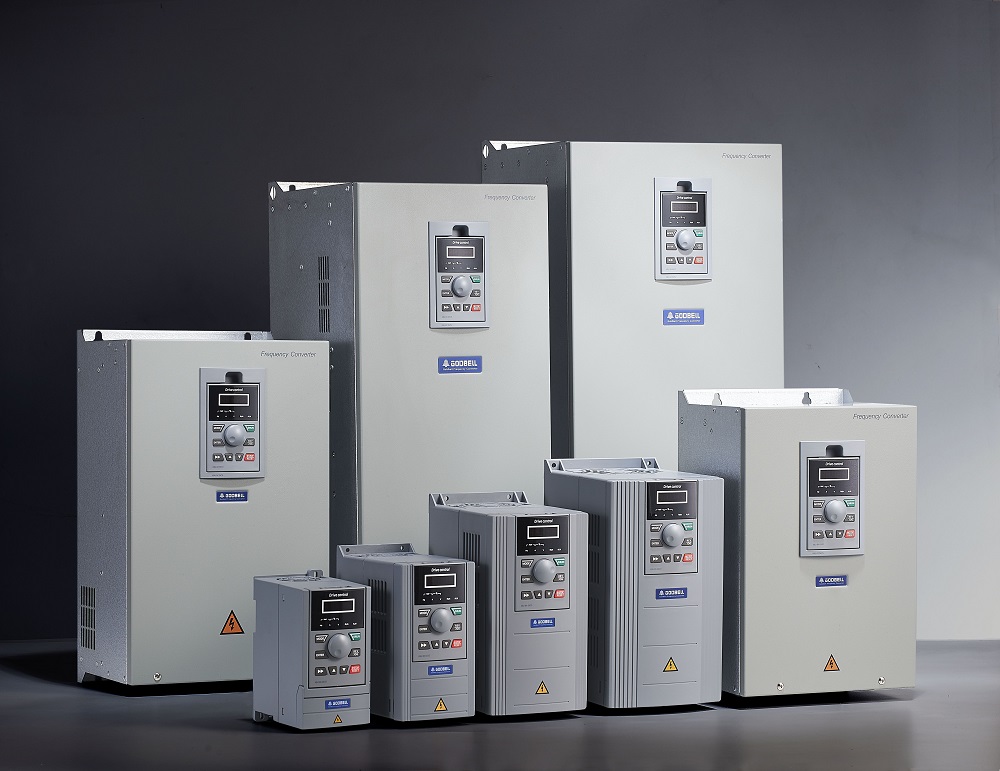
FAQ Section
What is a Variable Frequency Drive (VFD)?
A Variable Frequency Drive is an electronic device that controls the speed and torque of an AC motor by varying the voltage and frequency of the electrical power supplied.
What are the key components of a VFD?
The key components of a VFD include the rectifier (converts AC to DC), the DC bus (stores and smooths energy), and the inverter (outputs variable-frequency, variable-voltage AC).
How can I select the right VFD for my motor?
Match the VFD to the motor's nameplate data, including voltage, full-load amperage, horsepower, and speed. Ensure the VFD supports your motor type and load profile requirements.
What industries commonly use VFD drives?
VFDs are widely used in industries like HVAC, manufacturing, infrastructure, and water treatment to optimize motor performance, save energy, and reduce wear.
How can I extend the life of my VFD?
Proper installation, firmware updates, grounding, parameter tuning, and predictive maintenance, including regular inspections, help maximize VFD longevity.