
 EN
EN



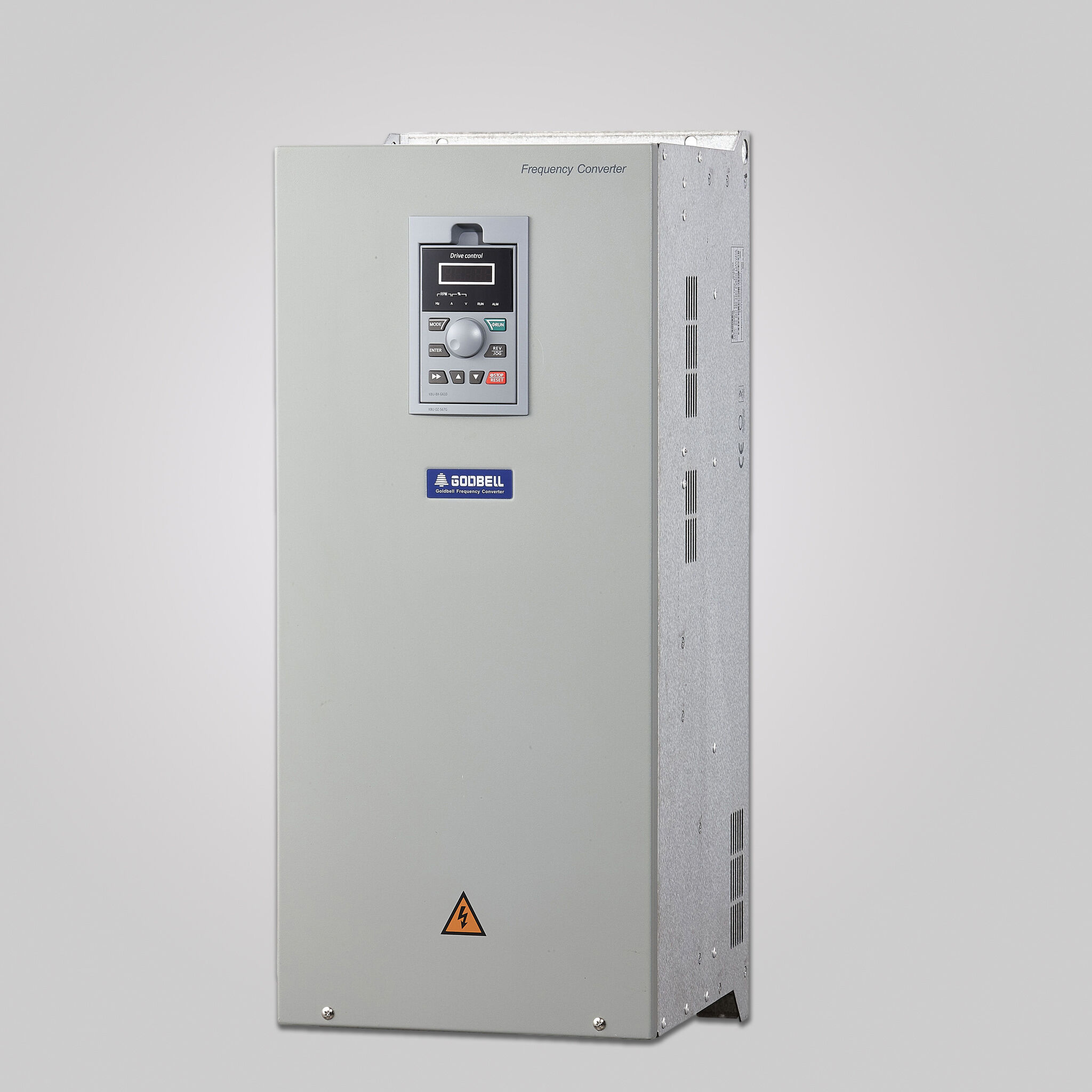
Cómo la tecnología MPPT maximiza la captación de energía solar para el suministro de agua
El desafío principal: la irradiación solar variable desestabiliza el caudal de agua en los sistemas sin MPPT
La irradiación solar fluctúa constantemente debido a la cobertura de nubes, la hora del día y los cambios estacionales. Los inversores solares para bombas estándar sin MPPT funcionan en un punto de voltaje fijo, frecuentemente muy alejado del verdadero punto de máxima potencia del panel. Cuando la irradiación disminuye —por ejemplo, de 1000 W/m² a 400 W/m²—, el inversor no puede adaptarse. La potencia de salida se desploma, lo que provoca que la bomba reduzca su velocidad o se detenga. El suministro de agua se vuelve irregular, especialmente bajo sombra parcial o cielos nublados. Esta ineficiencia desperdicia hasta un 30 % de la energía solar disponible, afectando directamente la fiabilidad para satisfacer las demandas diarias de agua.
Cómo los inversores solares para bombas con MPPT rastrean dinámicamente los puntos de máxima potencia para mantener una utilización energética superior al 95 %
Los inversores solares para bombas MPPT supervisan continuamente la tensión y la corriente del panel, utilizando algoritmos probados como el de Perturbación y Observación (Perturb and Observe) o el de Conductancia Incremental (Incremental Conductance) para identificar con precisión el punto de potencia máxima de salida. A continuación, el inversor ajusta en tiempo real su convertidor CC-CC para mantener el funcionamiento en ese punto, incluso cuando la intensidad de la luz solar cambia minuto a minuto. Este seguimiento dinámico mantiene la utilización de energía por encima del 95 % durante la mayor parte de las horas diurnas. En aplicaciones de bombeo de agua, esto se traduce en un par motor estable y un caudal constante desde primera hora de la mañana hasta últimas horas de la tarde. De forma crucial, bajo condiciones de sombreado parcial —cuando solo una parte del campo fotovoltaico recibe luz plena—, el inversor localiza un nuevo punto de máxima potencia global y sigue suministrando potencia útil. El resultado es un suministro de agua ininterrumpido y resistente a las condiciones meteorológicas.
Inversores solares para bombas MPPT frente a PWM: eficiencia, rendimiento y desempeño en condiciones reales
rendimiento diario de agua un 25–35 % superior con MPPT bajo condiciones de sombreado parcial y baja irradiación
Los inversores MPPT superan a los modelos PWM al optimizar activamente la relación entre voltaje y corriente para extraer la máxima potencia disponible de los paneles fotovoltaicos. A diferencia de los controladores PWM —que fijan el voltaje del panel a los requisitos de la batería y no pueden desconectarse de las restricciones de carga—, los algoritmos MPPT exploran y se fijan en los puntos de operación óptimos. Esta capacidad de adaptación garantiza un funcionamiento constante de la bomba al amanecer, al atardecer o bajo sombreado parcial, momentos en los que los sistemas PWM con frecuencia se detienen o reducen el caudal. Estudios de campo confirman que las configuraciones MPPT suministran un 25–35 % más de agua diaria en estas condiciones subóptimas.
Ampliación de la brecha de rendimiento durante la temporada de monzones/nubosidad: un 42 % mayor rendimiento energético (IRENA, 2022)
Durante los monzones o la cobertura nubosa persistente, la ventaja de los sistemas MPPT se vuelve decisiva. Según la IRENA, Costes de generación de energía renovable (2022) según el informe, los inversores MPPT logran una utilización energética un 42 % superior a la de los equivalentes PWM en condiciones de baja irradiación. Esto se debe a la capacidad de los reguladores MPPT para compensar la caída de tensión aumentando la corriente suministrada a la bomba, manteniendo así un par útil incluso por debajo de 500 W/m². Los controladores PWM carecen de esta respuesta adaptativa y experimentan pérdidas de eficiencia pronunciadas a medida que disminuye la irradiación. La creciente brecha subraya por qué los reguladores MPPT son esenciales para garantizar la seguridad hídrica durante todo el año en climas con alta variabilidad meteorológica.
Fiabilidad operacional de los inversores solares para bombas MPPT en diversas condiciones meteorológicas
Mantenimiento del par y la estabilidad del caudal de la bomba hasta niveles de irradiación de 200 W/m²
Los inversores MPPT ofrecen una resistencia operativa excepcional: mantienen un par estable en la bomba y un caudal constante de agua incluso con niveles de irradiación tan bajos como 200 W/m². Esta capacidad es fundamental durante ventanas de poca luz, como las primeras horas de la mañana, el atardecer o condiciones de nubosidad intensa, donde los sistemas convencionales fallan. Mediante una optimización continua de voltaje y corriente, el inversor garantiza una entrega estable de potencia al motor, evitando su parada, interrupciones del caudal o caídas de presión. Para riego agrícola o abastecimiento de agua al ganado, esta consistencia elimina tiempos de inactividad y permite un acceso predecible y continuo al agua a lo largo de toda la temporada.
Escalabilidad, integración del sistema y rentabilidad a largo plazo de los inversores solares para bombas MPPT
Los inversores solares de bomba MPPT modulares admiten operación híbrida CA/CC, lo que permite cambiar sin interrupciones entre las entradas solar, de batería y de red. Este diseño permite a los usuarios escalar la capacidad de forma incremental —añadiendo paneles o baterías sin necesidad de reemplazar el inversor. La conexión con baterías proporciona energía almacenada para el bombeo nocturno o de emergencia; la reserva de red garantiza la continuidad durante períodos prolongados de cielo nublado. Además, el mantenimiento se simplifica: los componentes individuales pueden actualizarse de forma independiente sin necesidad de revisiones integrales del sistema.
Para los pequeños agricultores, el argumento financiero es contundente. Según el análisis de la Organización de las Naciones Unidas para la Alimentación y la Agricultura (FAO) de 2024, los sistemas basados en MPPT logran un período de recuperación de la inversión de tan solo 2,1 años, frente a 3,7 años para los equivalentes PWM. Este retorno de la inversión más rápido refleja tanto un mayor rendimiento diario de agua como pérdidas energéticas significativamente menores a lo largo del tiempo. En regiones con redes eléctricas inestables, la integración de entradas solares, de batería y de red en un único inversor elimina la necesidad de controladores independientes, reduciendo los costos iniciales de hardware hasta en un 20 %. El resultado es una solución versátil y preparada para el futuro, capaz de adaptarse a las cambiantes necesidades de agua y a la infraestructura energética.
Preguntas frecuentes
¿Qué significa MPPT?
MPPT significa Seguimiento del Punto de Máxima Potencia (Maximum Power Point Tracking), una tecnología utilizada en inversores para bombas solares con el fin de optimizar la utilización de la energía.
¿Cómo mejora MPPT los sistemas de bombeo de agua?
La tecnología MPPT rastrea dinámicamente el rendimiento de los paneles solares y ajusta el funcionamiento del inversor para garantizar una utilización eficiente de la energía, proporcionando un par y un caudal estables incluso bajo condiciones de luz solar fluctuante.
¿Por qué son mejores los inversores MPPT que los inversores PWM?
Los inversores MPPT son más eficientes porque se adaptan a la irradiación solar variable y optimizan dinámicamente la potencia de salida, mientras que los controladores PWM operan en puntos de tensión fijos y pierden eficiencia en condiciones de poca luz o sombreado parcial.
¿Pueden funcionar los inversores MPPT en días nublados o durante la temporada de monzones?
Sí, los inversores MPPT mantienen su eficiencia incluso en días nublados o durante la temporada de monzones, ofreciendo una mayor utilización de la energía en comparación con los sistemas tradicionales.
¿Qué hace que los inversores MPPT sean rentables?
Los inversores MPPT ofrecen un retorno de la inversión (ROI) más rápido gracias a su mayor eficiencia energética, un mejor rendimiento hídrico y su compatibilidad con sistemas híbridos (entradas solares, de batería y de red).
Tabla de contenidos
- Cómo la tecnología MPPT maximiza la captación de energía solar para el suministro de agua
- Inversores solares para bombas MPPT frente a PWM: eficiencia, rendimiento y desempeño en condiciones reales
- Fiabilidad operacional de los inversores solares para bombas MPPT en diversas condiciones meteorológicas
- Escalabilidad, integración del sistema y rentabilidad a largo plazo de los inversores solares para bombas MPPT
- Preguntas frecuentes