
 EN
EN



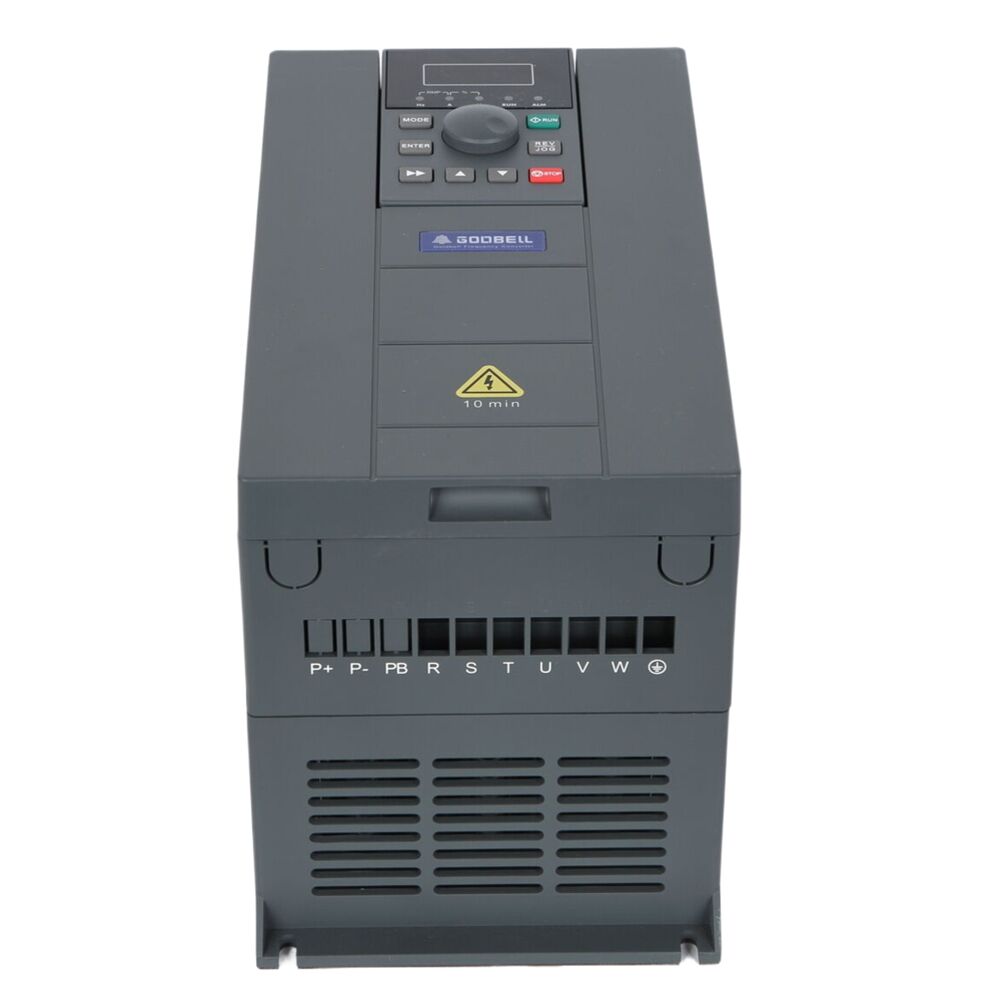
Why Outdoor Harsh Environments Threaten solar pump controller
Outdoor installation is the norm for solar irrigation systems, but it also exposes your solar pump controller to extreme weather, dust, moisture, and unstable voltage every day. Based on my hands‑on experience across farms in Southeast Asia, India, Africa, and the Middle East, I’ve seen countless solar pump controllers fail early not because of product quality, but because of insufficient environmental protection. Industry experts from international renewable energy organizations have long pointed out that temperature variations, water ingress, and dust are the top three killers of outdoor solar pump controller units. Goldbell has focused on solar pump controller and industrial inverter design for more than 19 years, and their R&D team always states that environmental adaptability is one of the core indicators of a reliable solar pump controller.
In high‑temperature areas like India and the Middle East, surface temperatures can easily exceed 65°C in summer. A solar pump controller without effective heat dissipation will suffer from component aging, performance degradation, and frequent overheating shutdowns. In rainy tropical regions, moisture and water splash can cause short circuits and corrosion inside the controller. In dusty farmlands, dust blocks cooling vents and leads to overheating faults. Goldbell designs its solar pump controller with industrial‑grade durability, wide voltage input, and full‑range electrical protections to resist these outdoor risks. However, proper installation and protection measures can further extend the service life and ensure stable performance year after year.
Understanding these environmental threats helps you take targeted precautions. A protected solar pump controller can operate reliably for 10 years or more, while an unprotected one may break down within 1–2 years. Goldbell’s solar pump controller products are tested under strict conditions to meet global outdoor application standards, making them suitable for harsh environments in agricultural irrigation across different continents.
Proper Installation Position and Shelter for solar pump controller
The first and most effective step to protect your solar pump controller is choosing the right installation position and building simple but reliable shelter. From my project experience, a good installation location can reduce 60% of environmental damage. Goldbell’s technical support team highly recommends this step before wiring and configuration, as it directly affects long‑term stability.
You should install the solar pump controller in a well‑ventilated area, avoiding direct sunlight, rain, flooding, and dust accumulation. Installing it under a simple metal or plastic shade is a low‑cost and effective solution. Keep the unit at least 1 meter above the ground to prevent rainwater immersion and ground moisture. Ensure there is enough space around the solar pump controller for heat dissipation and maintenance.
I once worked on a solar irrigation project in a coastal area of Southeast Asia. The client initially installed the solar pump controller in an open field without any shelter. After only 4 months, the panel was damaged by rain and high temperature. After relocating and adding a shade, the Goldbell solar pump controller ran smoothly for more than 3 years. Goldbell’s solar pump controller has a sturdy structure and stable performance, but reasonable shelter can maximize its potential. Proper installation position not only protects against weather but also keeps the solar pump controller working at optimal efficiency.
Electrical Protection Measures for solar pump controller
Outdoor power environments are often unstable, especially in rural areas, so electrical protection is essential to keep your solar pump controller safe. Voltage surges, lightning induced overvoltage, and short circuits are common dangers. Goldbell’s solar pump controller is equipped with complete built‑in protections, including overvoltage, undervoltage, overload, short‑circuit, and overheating protections, which provide a strong safety barrier.
According to industrial electrical safety standards, outdoor solar pump controller installations should add external surge protection devices (SPD) when in lightning‑prone areas. Use high‑quality insulated cables and properly seal cable entries to prevent moisture from entering the casing. Goldbell’s solar pump controller supports a wide voltage range, which means it can work normally even when solar panel voltage or grid voltage fluctuates greatly. This is a key advantage for outdoor applications.
During a project in central India, local voltage often fluctuated sharply. The original protection measures were weak, causing frequent trips. After using Goldbell solar pump controller and adding simple external surge protection, the system became extremely stable. The professional design of Goldbell’s solar pump controller, combined with correct external electrical protection, ensures safe and reliable operation in harsh outdoor electrical environments.
Daily Maintenance to Extend Life of solar pump controller
Regular daily maintenance is the key to keeping your solar pump controller in good condition under long‑term outdoor exposure. Many users ignore maintenance until failure happens, but simple monthly checks can greatly extend service life. Goldbell emphasizes low maintenance and high reliability in its solar pump controller design, which reduces your workload while improving durability.
First, clean the surface and cooling vents of the solar pump controller every 1–3 months to remove dust, dirt, and spider webs. Blocked vents cause overheating and efficiency loss. Check the cable connections regularly to ensure they are tight and free of corrosion. Loose connections lead to heat generation and potential failures.
Inspect the indicator lights and display to ensure normal operation. Goldbell’s solar pump controller provides clear fault codes, helping you find problems early. In my experience, farms that perform quarterly maintenance on their Goldbell solar pump controller have much lower failure rates and longer service life. Simple maintenance steps take little time but protect your investment effectively.
Goldbell solar pump controller: Born for Harsh Outdoor Environments
When you choose a solar pump controller designed for harsh environments, you reduce protection pressure and improve system reliability. Goldbell has more than 19 years of experience in manufacturing solar pump controller and industrial inverters, serving over 60 countries and regions. Their products are widely used in outdoor irrigation, industrial sites, and remote rural areas with excellent performance.
Goldbell solar pump controller features high‑efficiency MPPT, soft start, wide voltage range, and multiple protections. The robust casing and industrial‑grade internal components resist high temperature, humidity, dust, and voltage fluctuations. Large production stock, CE certification, and professional technical support make Goldbell a trusted partner for global solar projects.
From Zambia to India, from Southeast Asia to the Middle East, Goldbell solar pump controller units are running stably in harsh outdoor environments. With proper installation, reasonable shelter, basic electrical protection, and simple maintenance, your solar pump controller will provide long‑term, maintenance‑free, and efficient service. Choosing Goldbell means choosing reliability, durability, and professional protection for your outdoor solar irrigation system.
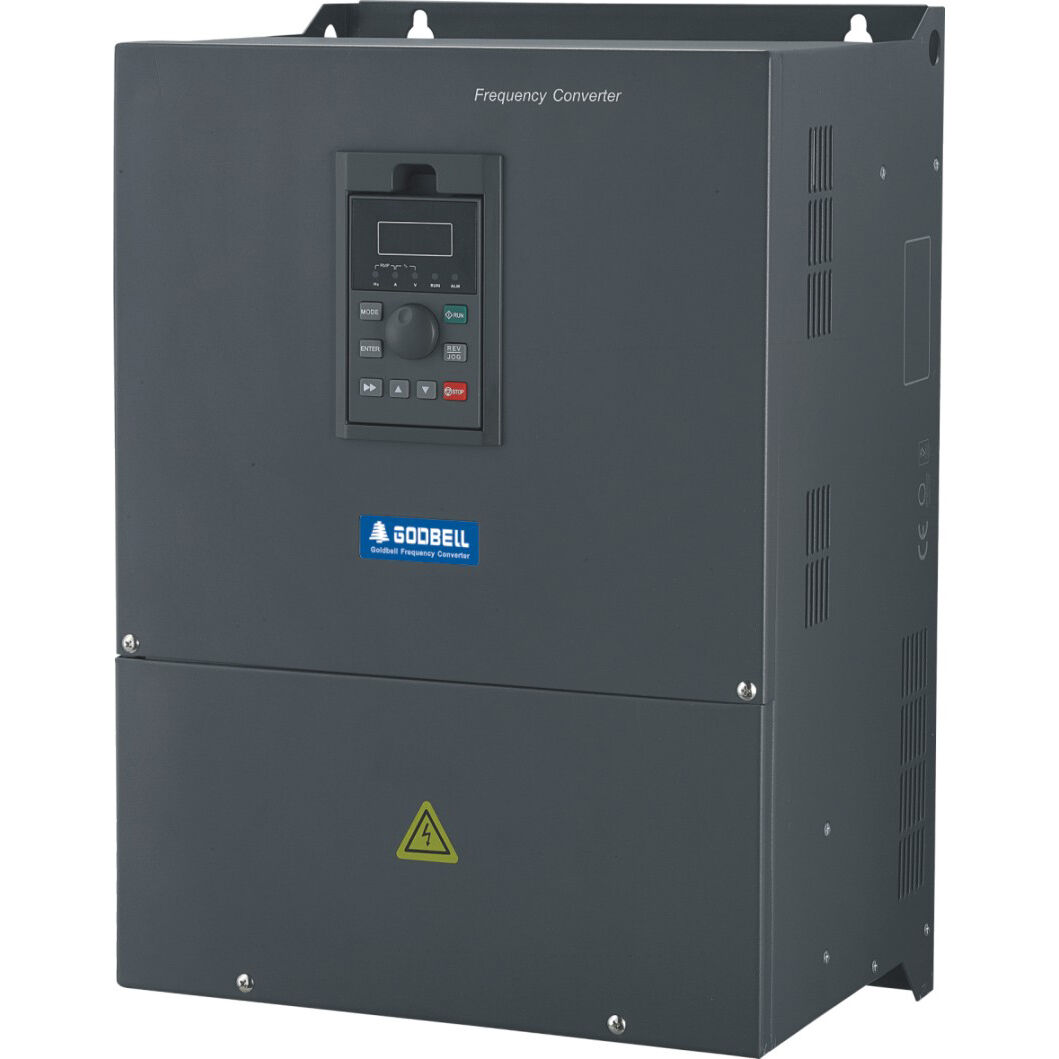
Table of Contents
- Why Outdoor Harsh Environments Threaten solar pump controller
- Proper Installation Position and Shelter for solar pump controller
- Electrical Protection Measures for solar pump controller
- Daily Maintenance to Extend Life of solar pump controller
- Goldbell solar pump controller: Born for Harsh Outdoor Environments