
 EN
EN



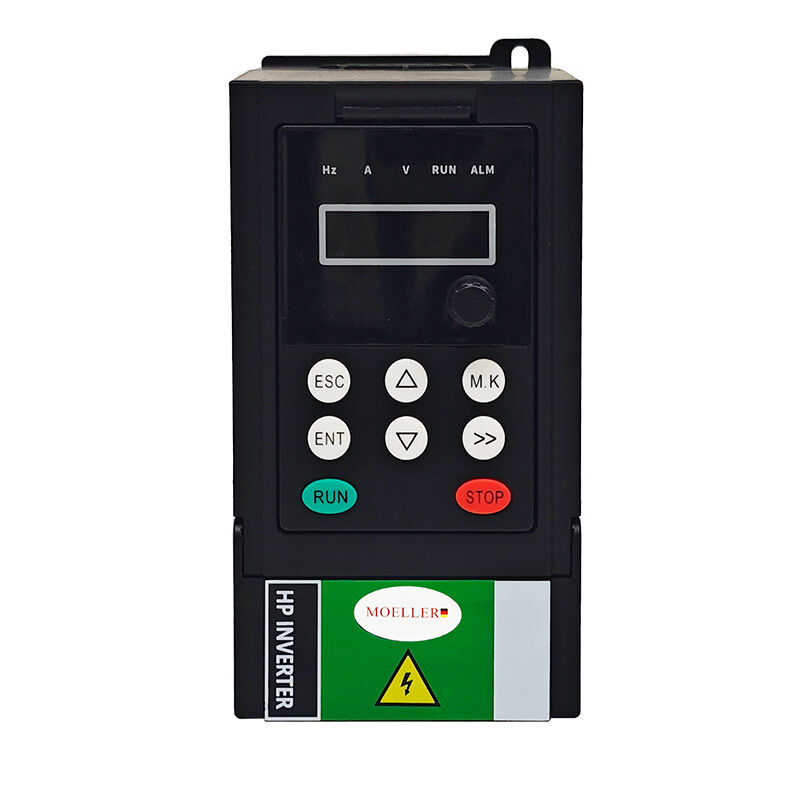
Айнымалы жиілікті энергия үнемдеудің физикалық негізі: Аффиндық заңдар түсіндірілген
Айнымалы моментті жүктемелерде кубтық қуат–жылдамдық қатынасы
Аффиндық заңдар центрифугалдық сораптар мен желдеткіштердің жылдамдық өзгерістеріне қалай реакция беретінін сипаттайды. Центрифугалдық импеллерлермен басқарылатын айнымалы моментті жүктемелер үшін қуат тұтынуы жылдамдықтың кУБ қозғалтқыштың айналу жиілігі. Бұл 20% айналу жиілігін төмендету қуаттың пайдаланылуын толық жүктемедегі қуаттың шамамен 51%-не дейін азайтады, бұл шамамен 49% энергия үнемдеуін қамтамасыз етеді. Ағыс айналу жиілігімен сызықты тәуелді; қысым айналу жиілігінің квадратына тәуелді; алайда қуаттың кубтық тәуелділігі тиімділік артысын анықтайтын негізгі фактор болып табылады. Осы сызықты емес реакция айнымалы жиілікті қозғалтқыштар (VFD) центрифугалдық жабдықтарда қаншалықты үлкен энергия үнемдеуін қамтамасыз ететінін түсіндіреді — айналу жиілігін шағын өзгерту энергия пайдаланылуын пропорционалды емес, бірақ әлдеқайда көп азайтады.
Тәжірибелік растау: желдеткіштер мен сорғылардың энергия үнемдеуін есептеу
Саланың өлшеулері бұл теориялық үнемдеулерді тұрақты түрде растайды. Сорғыштың айналу жиілігін екі есе азайтқанда, қуаттың тұтылуы толық жүктемедегі деңгейдің барынша 12,5%-ына дейін төмендейді — бұл 87,5% үнемдеу болып табылады. Ал 10% ғана айналу жиілігін азайту да шамамен 27% энергия үнемдеуін қамтамасыз етеді. Бұл нәтижелер HVAC жүйелері, су айналымы сорғыштары мен өнеркәсіптік желдеткіштер сияқты жоғары жұмыс уақытына ие қолданбаларда операциялық шығындарды тікелей төмендетеді. Себебі аффинитет заңдары болжанатын, қайталанатын нәтижелер береді, сондықтан инженерлер VFD-ны орнатудан бұрын өте жоғары дәрежеде сенімді түрде қайтарымдылықты модельдеуге мүмкіндік алады — бұл деректерге негізделген инвестициялық шешімдер қабылдауға мүмкіндік береді.
Айнымалы жиілікті басқару мен әдеттегі басқаруды салыстыру: Пайдалылықтағы ұтымдылықтың шамасы
Тежеу, шабыртқылар және қосу/өшіру циклдарынан пайда болатын энергияның ысырап болуы
Дәстүрлі басқару әдістері — ағынды реттеу клапандары, кіріс шабындықтары және қосу/өшіру циклы — қатты көп энергияны жұмсайды. Ағынды реттеу клапандары қозғалтқыш толық жылдамдықта жұмыс істеген кезде ағынды шектейді, ал артық энергия жылу мен қысымның жоғалуына айналады. Қосу/өшіру циклы қозғалтқыштарға қайталанатын жоғары бастапқы токтарын тигізеді және оларды тек қысқа уақытқа ғана жұмыс істеуге мәжбүр етеді — әрбір қосылғанда энергия шығыны болады. Осы екі әдіс те қуатты нақты жүктемеге сәйкес келтірмейді. Сондықтан бұл әдістерге негізделген жүйелер жиі жалпы жүйелік пайдалы әсер коэффициентін 31%-дан төмен қамтамасыз етеді, ал энергия көп бөлігі керек етілмей-ақ тұтылады.
Айнымалы жиілікті жеткізгіштер қалай дәл жүктемеге сәйкестендіруді қамтамасыз етеді
Жиілікті реттейтін қозғалтқыштар (ЖРҚ) бұл сәйкессіздікті процестің нақты қажеттілігіне сай қозғалтқыштың айналу жиілігін дәл реттеу арқылы жояды — тиімсіз шектеуді ақылды, үздіксіз басқарумен ауыстырады. Артық ағынды шығарып отыру үшін толық жылдамдықта жұмыс істемей, қозғалтқыш тек қажетті қуатты ғана береді. Бұл ауысу жүйенің пайдалы әсер коэффициентін шамамен 31%-ден 72%-ге дейін көтереді, яғни тиімді энергия пайдалануы екі есеге артады. Төмендегі кестеде жұмыс істеу артықшылықтары қорытындыланған:
| Салыстыру көрсеткіштері | Дәстүрлі басқару | Жиілікті реттейтін қозғалтқыштар арқылы басқару |
|---|---|---|
| ЖЫЛДАМДЫҚТЫ БАҚЫЛАУ | Тұрақты немесе басқарылатын, груб түрде реттеу | Сатысыз, дәл реттеу |
| Энергия пайдалануы | Толық жылдамдықта жұмыс істеу нәтижесінде энергияның көп бөлігі шығынға ұшырайды | Қажеттілікке негізделген қуат, 20–50% азаяды |
| Іске қосу/тоқтату | Жоғары соққы және қосылу кезіндегі ток шығыны | Ұзақ мерзімді үдеу, кернеудің төмендеуі |
| Техникалық қызмет көрсету | Механикалық компоненттердің жиі тозуы | Минималды механикалық әсерлесу, ұзақ қызмет көрсету мерзімі |
| Жүйелік интеграция | Қолмен кері байланыс реттеуі | PLC, датчиктер және IIoT қосылуы |
Өнеркәсіптік қолданысқа басымдық беру: Айнымалы жиіліктің ең жоғары ROI-ын қайда қамтамасыз етеді
Компрессорлар, сорғылар, желдеткіштер және тасымалдағыштар: Жүктеме профилін талдау
ЖИЖ-дың пайдасы жүктеме түріне қарай әртүрлі болады. Центрифугалды сорғылар мен желдеткіштер — олар айнымалы момент жүктемелер — кубтық қуат–жылдамдық қатынасына байланысты ең күшті табыс әкеледі. Мұнда жылдамдықты 20% азайту энергияны шамамен 50% үнемдейді. Ал тұрақты моментті қолданыстар, мысалы, тасымалдағыштар мен оң бағыттағы ығысу компрессорлары сызықтық қуат–жылдамдық қисығын қолданады — олар энергияны аз ғана үнемдейді, бірақ процестің дәл реттелуін, механикалық кернеудің азаюын және жабдықтың қызмет көрсету мерзімінің ұзаруын қамтамасыз етеді. ЖИЖ-дың орнатылуын сұраныс қатты тербелетін жерлерде басымдықпен жүргізіңіз: коммерциялық ғимараттардағы ЖЖК желдеткіштері, мемлекеттік су жүйелеріндегі көтергіш сорғылар немесе өндірістік кәсіпорындардағы су салқындатқышы желдеткіштері.
Жоғары жұмыс уақытына ие жүйелер: Стратегиялық орнату арқылы төлемді оптималдау
Жылдық жұмыс сағаттары – ЖИД (жиілікті реттейтін құрылғы) үшін төлемді есептеудегі ең күшті көрсеткіш. Жылына 6 000 сағат бойы жартылай жүктемеде жұмыс істейтін сорап әдетте ЖИД инвестициясын 12–18 ай ішінде қайтарып алады. Ал жылына тек 1 000 сағат жұмыс істейтін құрылғылардың таза пайдасын қайтару үшін бірнеше жыл керек болуы мүмкін. Сондықтан алдымен динамикалық жүктеме профиліне ие жоғары пайдаланылатын активтерге – негізгі ауа компрессорларына, суытылған су сораптарына және технологиялық процеске қажетті желдеткіштерге назар аударыңыз. ЖИД-ті нақты уақытта жүктемені бақылаумен интеграциялау ROI-ді одан да арттырады, себебі тұрақты жылдамдықтағы циклдан арылуға мүмкіндік береді және электрқозғалтқыштың жылдамдығын әрқашан нақты сұранысқа сәйкестендіреді – бұл қаржылық табысты және энергияны тиімді пайдалану мақсаттарына қол жеткізу жылдамдығын арттырады.
Жиі қойылатын сұрақтар
Аффинитет заңдары дегеніміз не? Аффинитет заңдары центрифугалды сораптар мен желдеткіштерде жылдамдық өзгерген кезде ағыс, қысым және қуат қалай өзгеретінін сипаттайды; мұнда қуат жылдамдықтың кубына пропорционал болады.
Айнымалы жиілікті құрылғылар (ЖИД) қалай энергия үнемдейді? ЖИС-тар қозғалтқыштың айналу жиілігін нақты технологиялық процеске сәйкес реттеп, энергияны шығындауды болдырмау үшін толық айналу жиілігінде жұмыс істеуден аулақ болады және энергия тұтынуын қатты төмендетеді.
ЖИС-тарды дәстүрлі басқару әдістерімен салыстырғанда қандай артықшылықтары бар? ЖИС-тар дәстүрлі реттеу әдістері — шектеу және қосу/өшіру циклымен салыстырғанда дәл айналу жиілігін реттеуге, энергия тұтынуын азайтуға, жұмыс істеудің және тоқтатудың жұмсартылуына, жөндеудің азаятынына және жүйелердің жақсы интеграциялануына мүмкіндік береді.
ЖИС-тарды қайда орнатуға басымдық беру керек? ЖИС-тарды ең көп пайдаланылатын және жүктемесі өзгермелі қолданбаларда — мысалы, ЖЖЖ жүйелерінде, су сорғыларында және өндірістік кәсіпорындардың желдеткіштерінде — орнатуға басымдық беру керек, өйткені оларда ең үлкен табыс әкеледі.
Мазмұны
- Айнымалы жиілікті энергия үнемдеудің физикалық негізі: Аффиндық заңдар түсіндірілген
- Айнымалы жиілікті басқару мен әдеттегі басқаруды салыстыру: Пайдалылықтағы ұтымдылықтың шамасы
- Өнеркәсіптік қолданысқа басымдық беру: Айнымалы жиіліктің ең жоғары ROI-ын қайда қамтамасыз етеді
- Жиі қойылатын сұрақтар